Hezekiah and Sennacherib: What Archaeology Found
2 Kings 18-19 in the King James Bible, with the Sennacherib prism, the Lachish reliefs, Hezekiah's tunnel and the Broad Wall.
The story of Hezekiah and Sennacherib is one of the few Bible stories where we can also read the enemy's side. Around 701 BC, the army of Assyria swept through the kingdom of Judah, and its king, Sennacherib, boasted that he had shut King Hezekiah up inside Jerusalem "like a bird in a cage." The Bible tells what happened next in 2 Kings 18 and 19, and again in Isaiah 36 and 37 and 2 Chronicles 32. This article follows the story in order, with the King James Bible, and looks at what archaeology has found from those same years.
Watch the video: Hezekiah and Sennacherib, What Archaeology Found
A king who trusted in the LORD
Hezekiah was twenty-five years old when he began to reign, and he reigned twenty and nine years in Jerusalem (2 Kings 18:2). The book of Kings says he removed the high places and brake the images, and it sums up his reign in one sentence:
"He trusted in the LORD God of Israel; so that after him was none like him among all the kings of Judah, nor any that were before him."
2 Kings 18:5 (KJV)
Verse 7 adds that he rebelled against the king of Assyria, and served him not. It was a dangerous choice: a few years earlier, the text says, Assyria had taken Samaria, the capital of the northern kingdom of Israel, and carried its people away (2 Kings 18:9-11). Then came the invasion:
"Now in the fourteenth year of king Hezekiah did Sennacherib king of Assyria come up against all the fenced cities of Judah, and took them."
2 Kings 18:13 (KJV)
What Sennacherib wrote: the prism
Outside the Bible, Sennacherib is well known. He ruled Assyria from about 705 to 681 BC, and historians date his campaign into Judah to 701 BC. His annals were written in cuneiform on six-sided clay prisms. One of them, bought by a British colonel named Taylor in 1830, is in the British Museum; others with the same text are kept in Chicago and in Jerusalem.
On these prisms, Sennacherib claims he besieged forty-six of Hezekiah's fortified cities, and he says that he shut Hezekiah up in Jerusalem like a bird in a cage. What the prism never says is just as interesting: it never claims that he took Jerusalem.
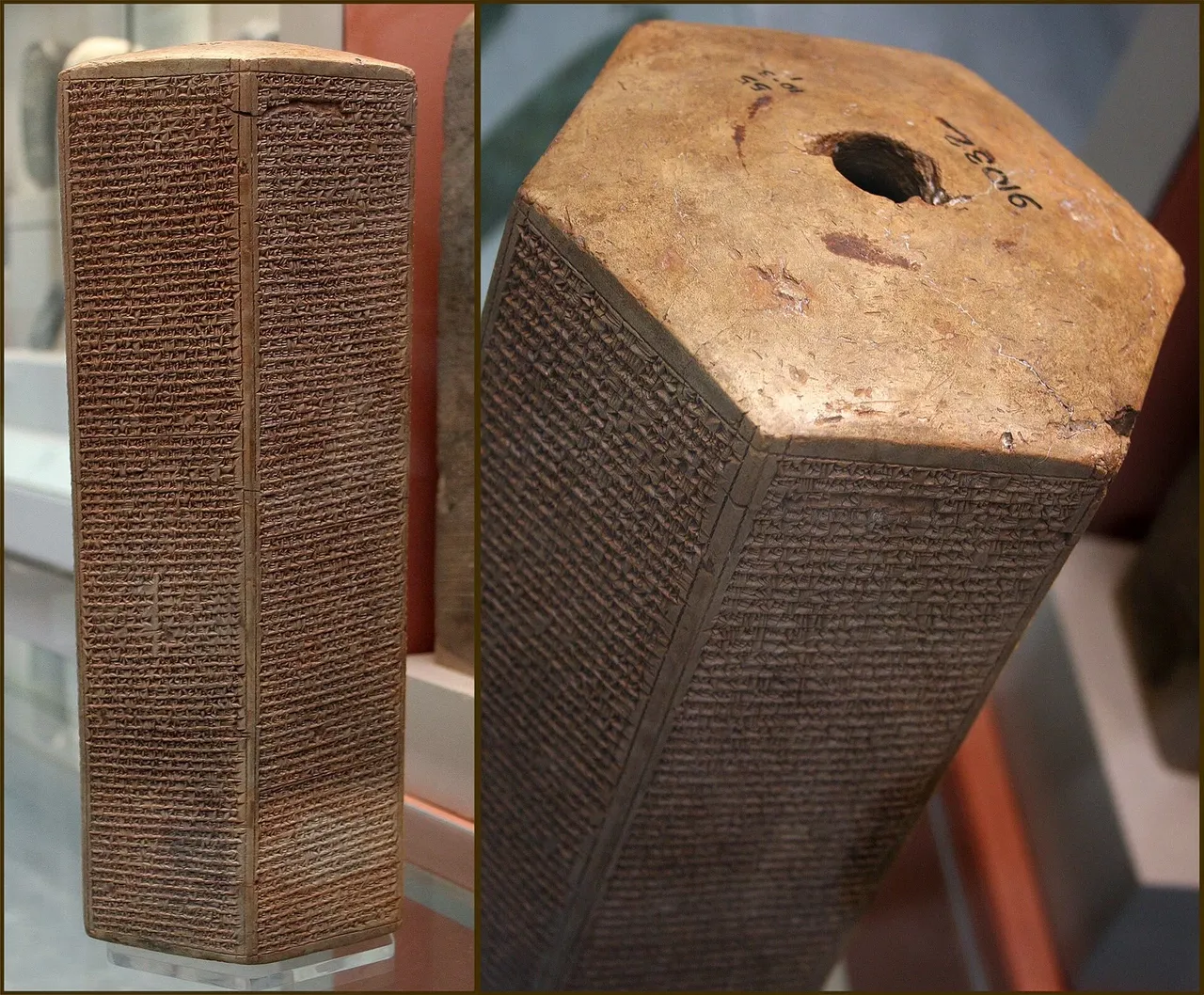
Both records also mention a price. The Bible says the king of Assyria appointed unto Hezekiah king of Judah three hundred talents of silver and thirty talents of gold (2 Kings 18:14). The prism gives the same thirty talents of gold, but eight hundred of silver. Scholars still debate why the silver does not match. To pay, the text says, Hezekiah gave all the silver that was found in the house of the LORD and even cut off the gold from the doors of the temple. But paying did not end the threat.
The siege of Lachish, carved in stone
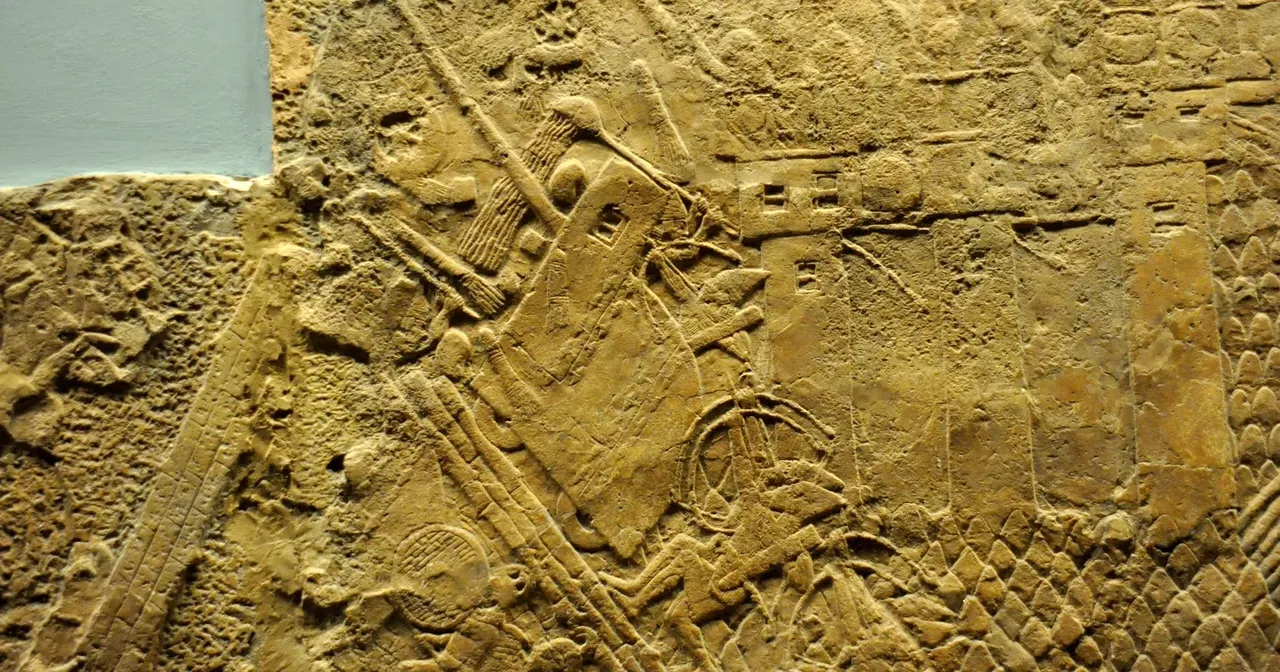
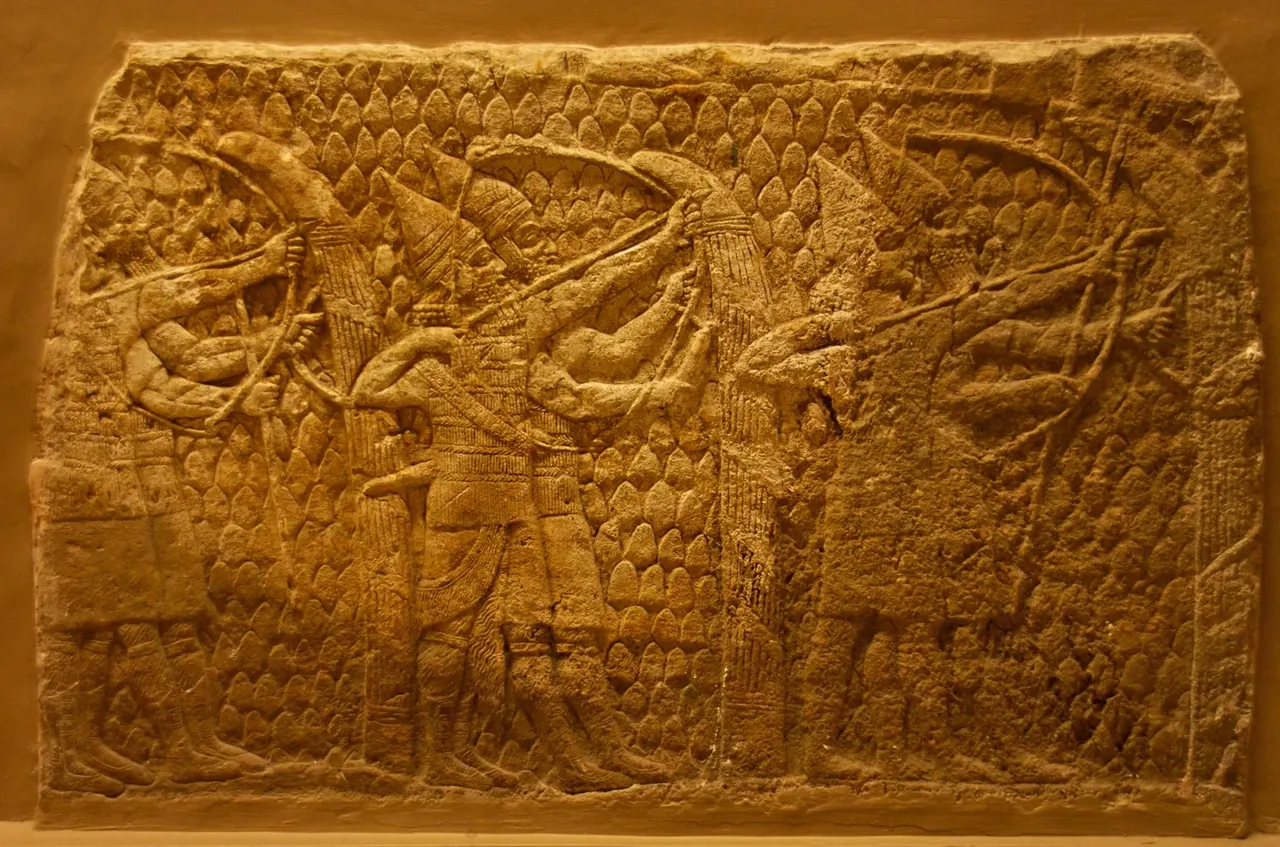
Lachish was the second most important city of the kingdom of Judah. The Bible names it as the place where Sennacherib camped (2 Kings 18:14, 17; 2 Chronicles 32:9). In his palace at Nineveh, Sennacherib lined a room with carved stone panels showing the siege of Lachish: archers and slingers, siege engines pushed up ramps against the walls, and families led away. Austen Henry Layard uncovered that palace in the 1840s, and the panels are now in the British Museum. Words carved beside the king say that Sennacherib, king of the world, king of Assyria, sat on his throne and reviewed the spoil taken from Lachish.
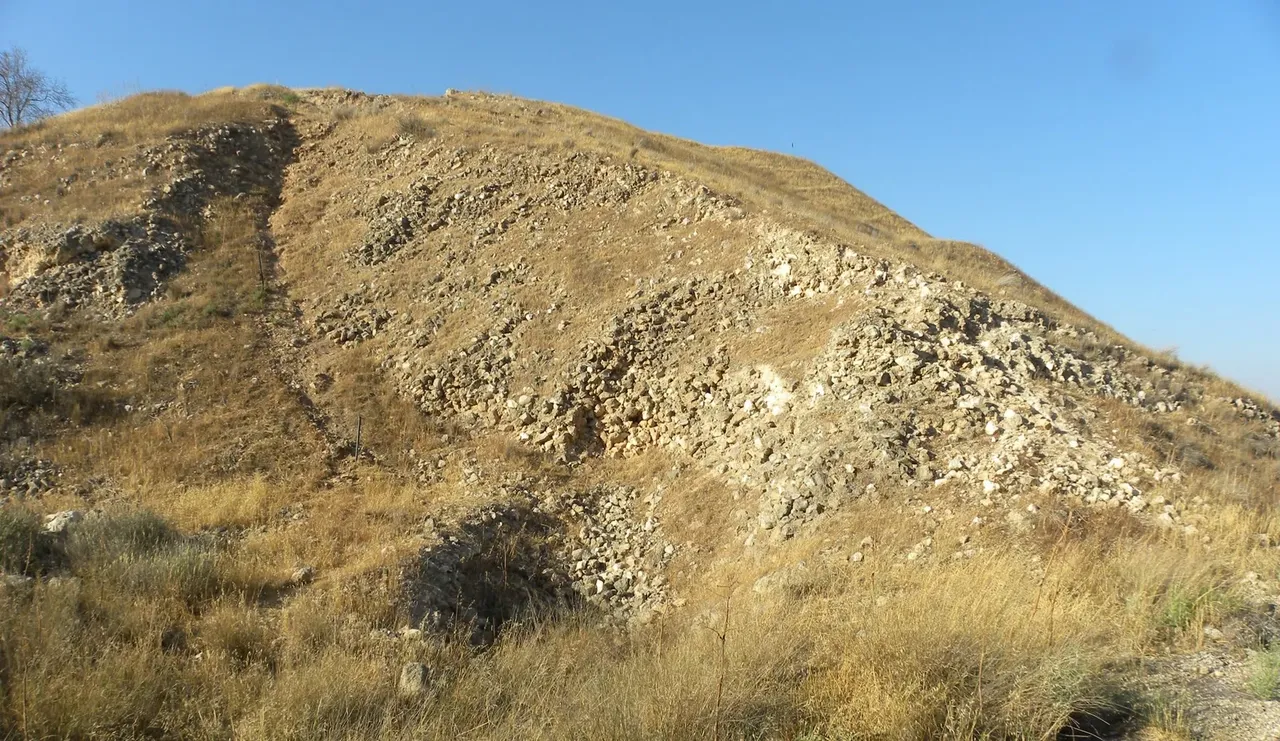
The city itself is still there. At Tel Lachish, archaeologists excavated the Assyrian siege ramp, the only Assyrian siege ramp found so far in the Near East, a counter-ramp built by the defenders, and hundreds of arrowheads in the layer destroyed in 701 BC.
How Jerusalem got ready
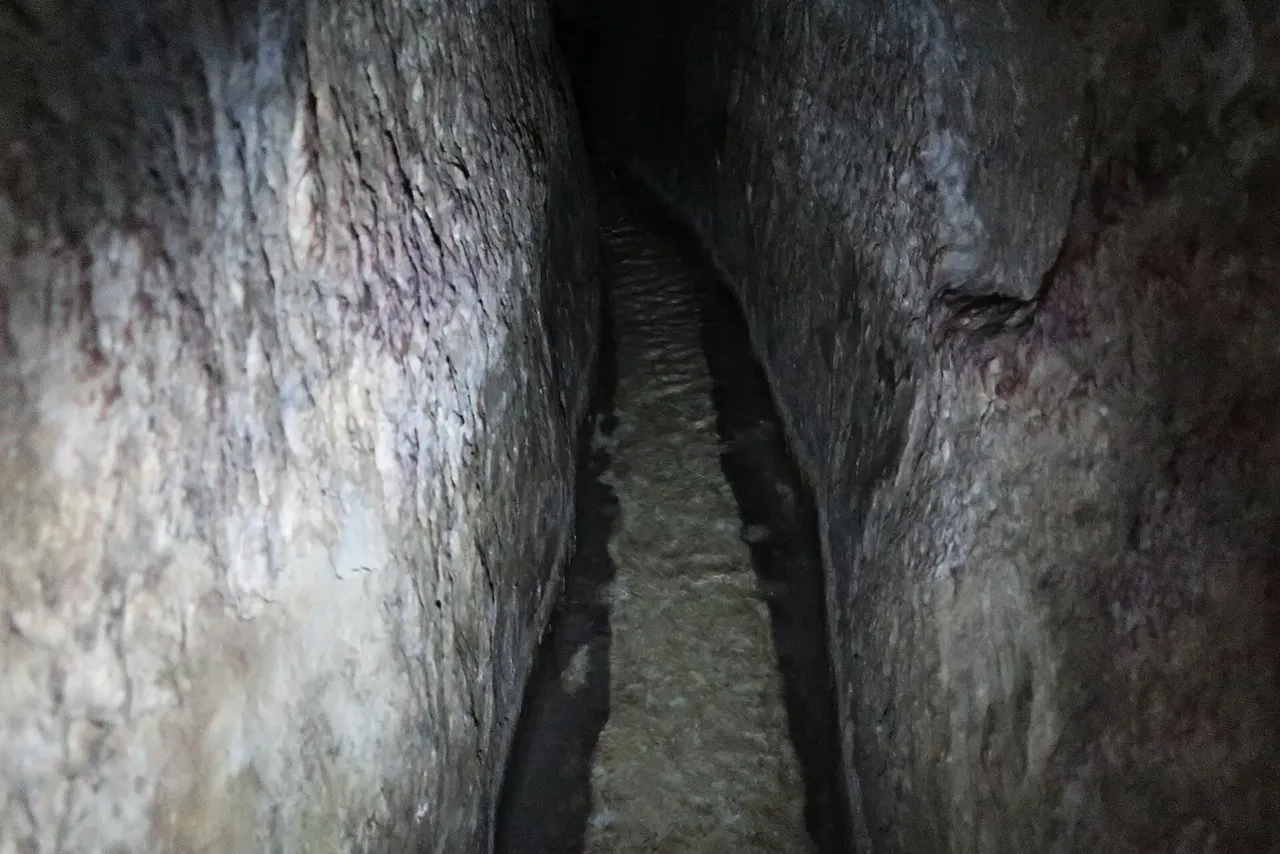
Second Chronicles says that Hezekiah took counsel to stop the waters of the fountains which were without the city, saying, "Why should the kings of Assyria come, and find much water?" He built up all the wall that was broken, and another wall without (2 Chronicles 32:3-5). He also stopped the upper watercourse of Gihon, and brought it straight down to the west side of the city of David (2 Chronicles 32:30).
A tunnel about half a kilometer long still runs through the rock under that hill. In 2003, scientists dated it to around 700 BC. In 1880, an inscription was found carved inside it, telling how two teams of workers cut toward each other from opposite ends until they met; today it is kept in the Istanbul Archaeology Museums.
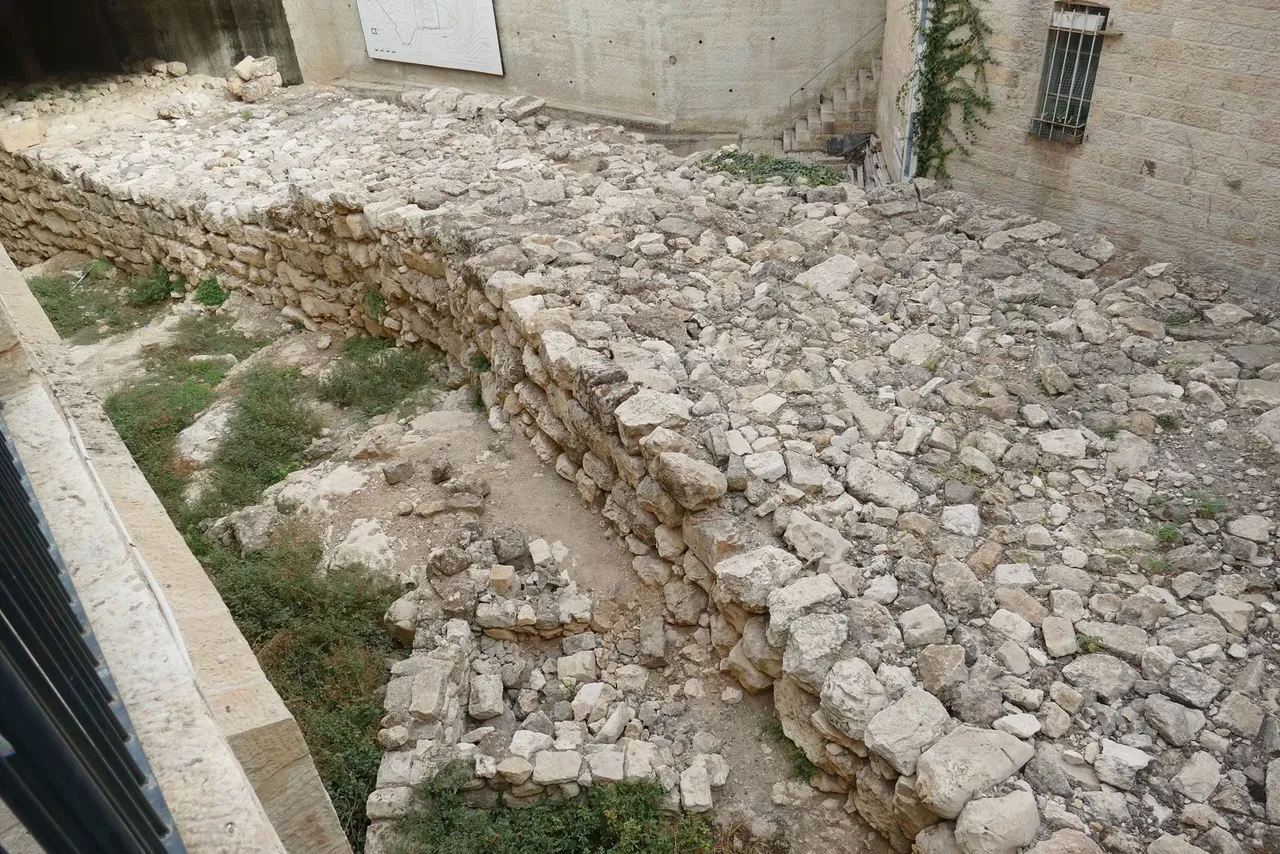
Around 1970, in Jerusalem's Old City, the archaeologist Nahman Avigad uncovered a wall about seven meters thick, built over the remains of houses. Many scholars connect it with Hezekiah and with the words of Isaiah 22:10, "the houses have ye broken down to fortify the wall." Recent radiocarbon dating suggests it may be some decades older, so the date is still debated.
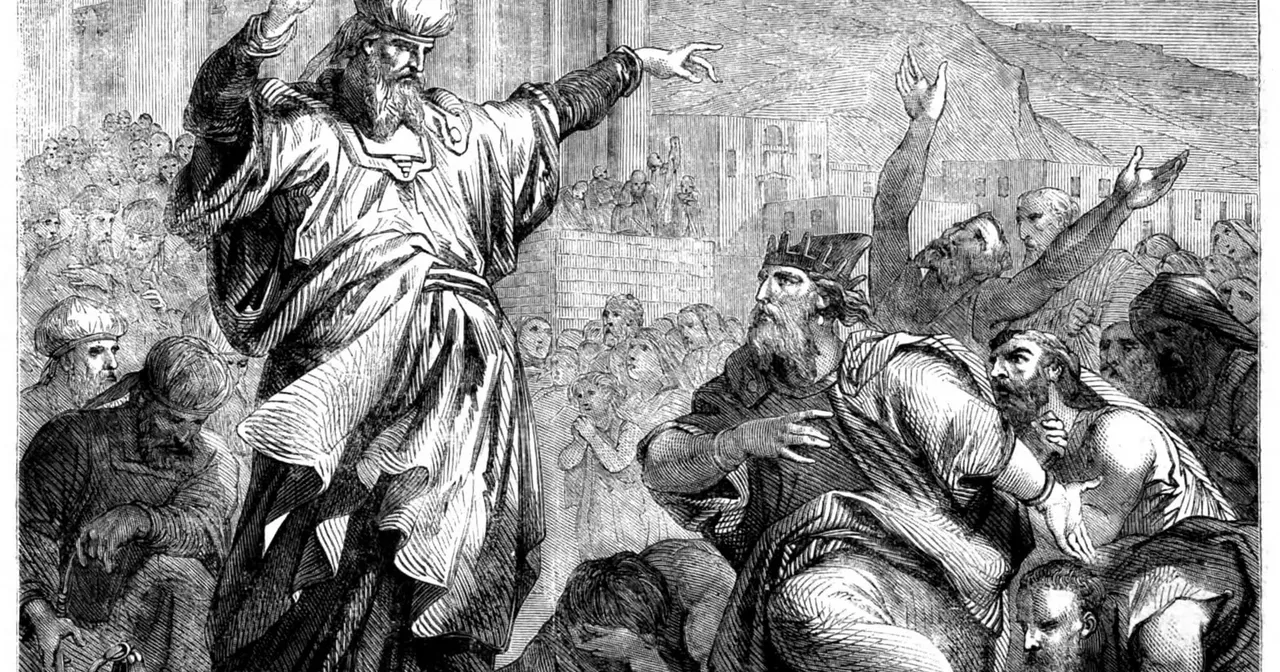
Before the enemy arrived, Hezekiah gathered the people in the street of the gate of the city and spoke to them:
"With him is an arm of flesh; but with us is the LORD our God to help us, and to fight our battles. And the people rested themselves upon the words of Hezekiah king of Judah."
2 Chronicles 32:8 (KJV)
"What confidence is this?"
Then the Assyrian officers came to Jerusalem with a great host. One of them, Rab-shakeh, stood by the conduit of the upper pool and spoke to Hezekiah's officials, Eliakim, Shebna and Joah (2 Kings 18:17-18):
"Thus saith the great king, the king of Assyria, What confidence is this wherein thou trustest?"
2 Kings 18:19 (KJV)
He then cried in the people's own language so that those on the wall could hear: "Neither let Hezekiah make you trust in the LORD" (2 Kings 18:30). But the people held their peace, and answered him not a word: for the king's commandment was, saying, Answer him not (2 Kings 18:36).
The letter spread before the LORD
When Hezekiah heard it, he rent his clothes, covered himself with sackcloth, and went into the house of the LORD. He sent his officials to the prophet Isaiah with a message in his own words:
"This day is a day of trouble, and of rebuke, and blasphemy"
2 Kings 19:3 (KJV)
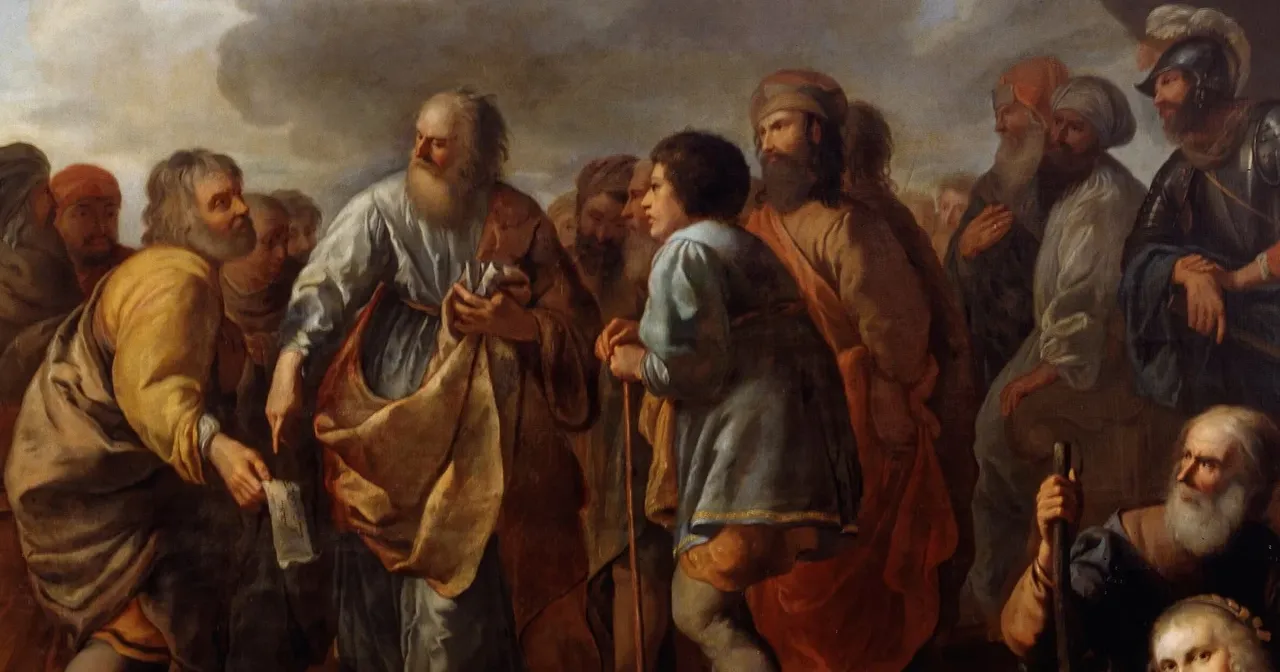
Isaiah sent back the word of the LORD: "Be not afraid of the words which thou hast heard" (2 Kings 19:6). Sennacherib then sent a letter saying that Hezekiah's God would not save him (2 Kings 19:10-13). This is what the king did with it:
"And Hezekiah received the letter of the hand of the messengers, and read it: and Hezekiah went up into the house of the LORD, and spread it before the LORD."
2 Kings 19:14 (KJV)
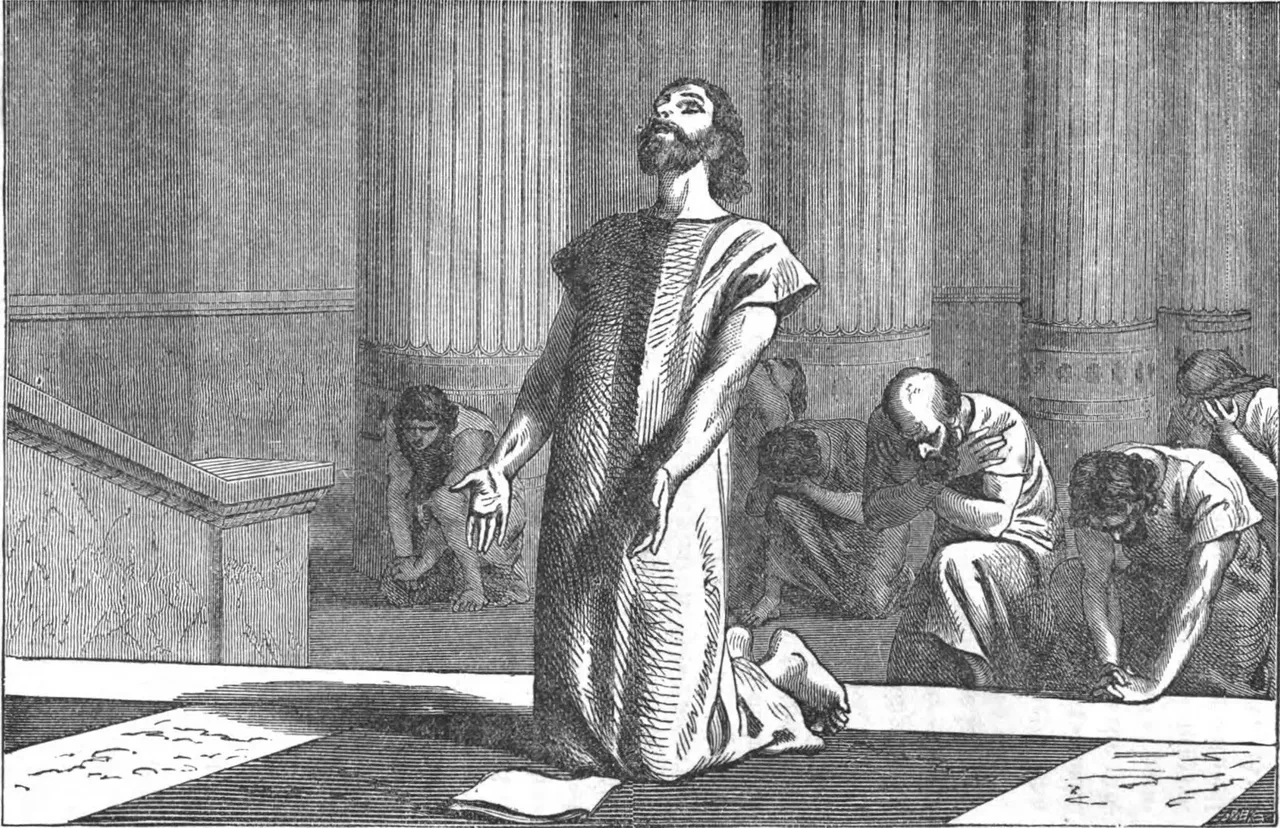
His prayer ends with these words:
"Now therefore, O LORD our God, I beseech thee, save thou us out of his hand, that all the kingdoms of the earth may know that thou art the LORD God, even thou only."
2 Kings 19:19 (KJV)
Isaiah sent the answer: "That which thou hast prayed to me against Sennacherib king of Assyria I have heard" (2 Kings 19:20). And about the king of Assyria, the LORD said:
"He shall not come into this city, nor shoot an arrow there, nor come before it with shield, nor cast a bank against it."
2 Kings 19:32 (KJV)
The Bible says that that night the angel of the LORD went out and smote in the camp of the Assyrians, and Sennacherib departed, and went and returned, and dwelt at Nineveh (2 Kings 19:35-36). The text adds that he was later killed by his own sons (2 Kings 19:37).
Outside the Bible, Sennacherib's annals say nothing about losing an army, and historians still debate why he withdrew without taking Jerusalem. Historians also record that he was murdered around 681 BC, and that his son Esarhaddon took the throne.
A seal and a scroll
Hezekiah left a trace of his own. In 2009, in the Ophel excavations in Jerusalem led by Eilat Mazar of the Hebrew University, a tiny clay seal impression was found in an ancient dump. It was announced in 2015, and it reads: "Belonging to Hezekiah [son of] Ahaz king of Judah."
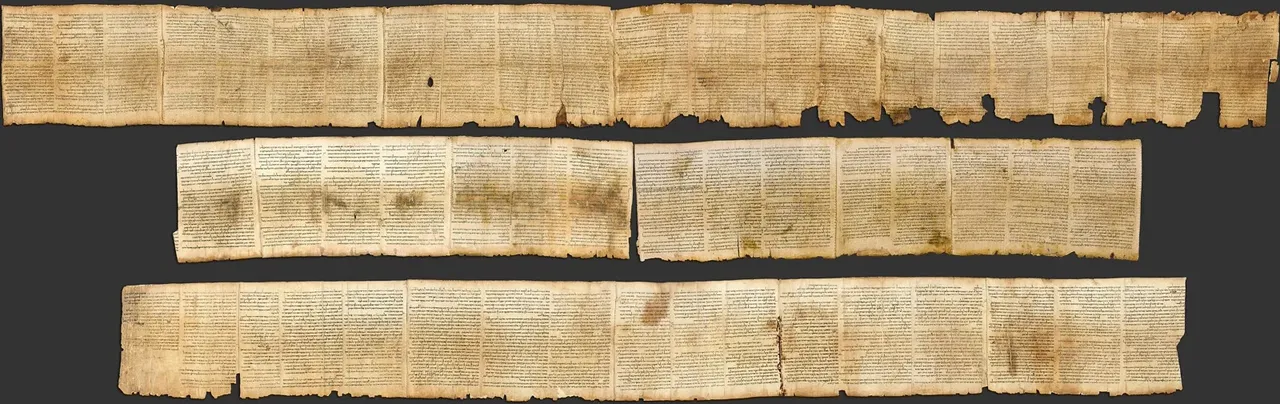
The story itself was copied for centuries. The Great Isaiah Scroll, found near Qumran in 1947 and copied before the time of Christ, contains the whole book of Isaiah, including chapters 36 and 37, which tell this same story. It is kept at the Israel Museum in Jerusalem.
What the story teaches
The story begins with a king who trusted in the LORD, and it does not hide what he faced: his cities lost, a heavy price paid, and an army at his gate. When the threat came in writing, the text says he took it to the house of the LORD, spread it out, and began his prayer like this:
"O LORD God of Israel, which dwellest between the cherubims, thou art the God, even thou alone, of all the kingdoms of the earth"
2 Kings 19:15 (KJV)
Maybe there is a letter in your life right now: a report, a bill, a message that seems to say there is no way out. The text says Hezekiah took what he received, spread it before the LORD, and prayed. And it remembers what he told the people: "with him is an arm of flesh; but with us is the LORD our God to help us." Whatever you are facing today, you can bring it to Him the same way, in your own words.
The story at a glance
- 2 Kings 18:5: the writer of Kings, about Hezekiah's trust in the LORD.
- 2 Kings 18:13: the invasion of Sennacherib king of Assyria.
- 2 Chronicles 32:8: Hezekiah, to the people of Jerusalem.
- 2 Kings 18:19: Rab-shakeh, to Hezekiah's officials.
- 2 Kings 19:3: Hezekiah's message to the prophet Isaiah.
- 2 Kings 19:14-15 and 19:19: Hezekiah spreads the letter before the LORD and prays.
- 2 Kings 19:32: the word of the LORD through Isaiah about the king of Assyria.
Which moment stayed with you: the prism, the silence on the wall, or the letter in the temple? Tell us in the comments of the video.
More Bible stories and the history behind them: Koinonet on YouTube.
Sources
- Britannica: Sennacherib
- Encyclopaedia Judaica: Hezekiah
- British Museum: the Taylor Prism
- Biblical Archaeology Society: Sennacherib boasts of his conquests in Judah
- British Museum: the Lachish reliefs
- Hebrew University: siege ramps at Lachish
- Vaknin et al., Tel Aviv 51 (2024)
- Frumkin, Shimron and Rosenbaum, Nature 425 (2003): dating the Siloam tunnel
- Bible Odyssey: the Siloam inscription and Hezekiah's tunnel
- Weizmann Institute: radiocarbon dating of Jerusalem's fortifications
- Hebrew University (ScienceDaily): the seal impression of King Hezekiah
- Britannica: Isaiah scroll
Cover photo: Osama Shukir Muhammed Amin FRCP(Glasg), Wikimedia Commons (CC BY-SA 4.0).
Related articles
-
Devotionals
Afraid of What's Coming? What the Bible Says About Fear
King Jehoshaphat feared and prayed: neither know we what to do. What 2 Chronicles 20 and Psalm 27:1 say about fear of the future, in the KJV.
-
Devotionals
Fighting the Same Temptation Again? What the Bible Says
Paul wrote: the evil which I would not, that I do. What Romans 7, Hebrews 4:15 and 1 Corinthians 10:13 say about temptation, in the KJV.
-
Devotionals
Doing the Work of Three People? What the Bible Says
Moses judged the people from morning until evening, until Jethro said: this thing is too heavy for thee. Exodus 18 and Psalm 127 in the KJV.