Fighting the Same Temptation Again? What the Bible Says
Paul wrote: the evil which I would not, that I do. What Romans 7, Hebrews 4:15 and 1 Corinthians 10:13 say about temptation, in the KJV.
You told yourself it was over. You prayed about it, you promised yourself never again, and then it happened again. Maybe it was last night, maybe it was this morning. If you keep fighting the same temptation and you are tired of losing, you are not the first person to feel that way, and the Bible does not hide it.
This article goes with our short video on temptation. Every quotation is from the King James Version (KJV).
Watch the short video: Fighting the same temptation again? Read this #shorts
"The evil which I would not, that I do" (Romans 7:19)
The apostle Paul wrote a letter to the believers in Rome. In chapter seven he writes in the first person about a struggle between what he wants to do and what he does: "For that which I do I allow not: for what I would, that do I not; but what I hate, that do I" (Romans 7:15). He calls it "another law in my members, warring against the law of my mind" (Romans 7:23). In verse nineteen he puts it in one line:
"For the good that I would I do not: but the evil which I would not, that I do."
Romans 7:19 (KJV)
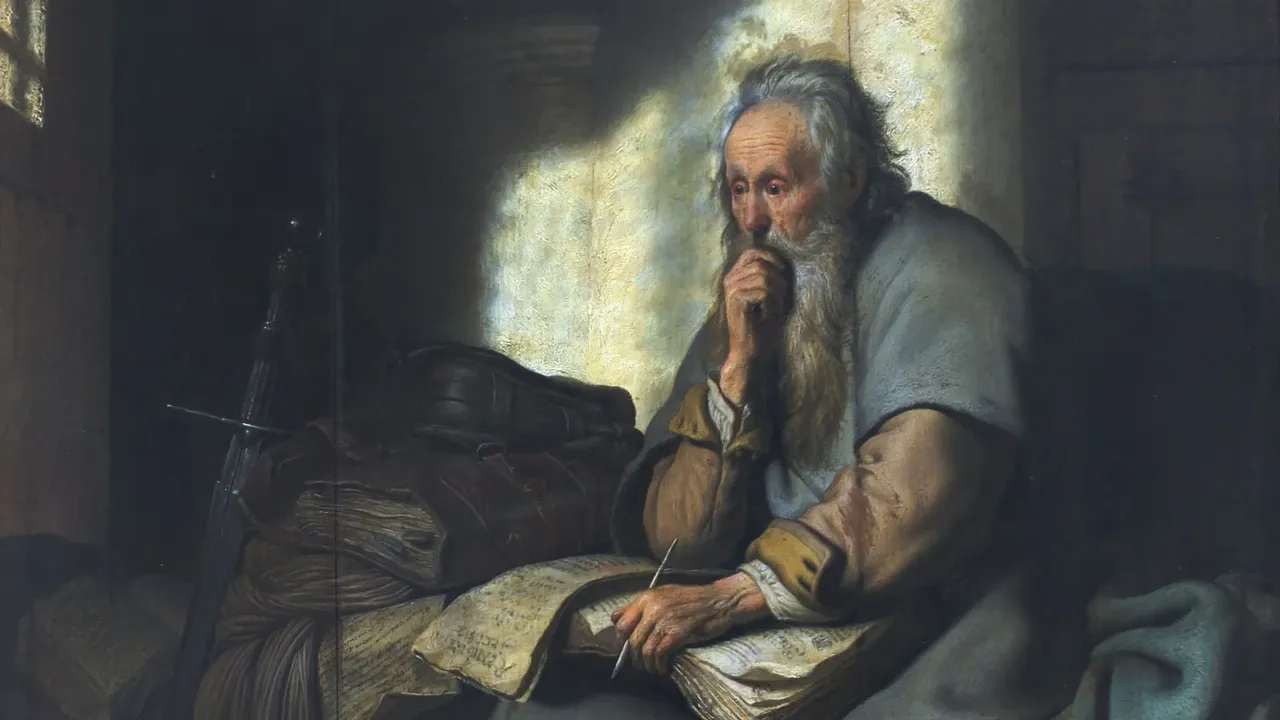
Paul did not stop there. The chapter goes on: "O wretched man that I am! who shall deliver me from the body of this death? I thank God through Jesus Christ our Lord" (Romans 7:24-25). Christians read this chapter in different ways, but the words themselves are plain: the struggle is real, and the chapter ends in thanks to God through Jesus Christ.
Jesus was tempted too (Matthew 4 and Hebrews 4:15)
The Gospel of Matthew records it: "Then was Jesus led up of the Spirit into the wilderness to be tempted of the devil" (Matthew 4:1). After forty days and forty nights of fasting he was hungry, and to each temptation he answered, "It is written" (Matthew 4:4, 4:7, 4:10). The letter to the Hebrews speaks of Jesus as our great high priest (Hebrews 4:14) and says this about him:
"For we have not an high priest which cannot be touched with the feeling of our infirmities; but was in all points tempted like as we are, yet without sin."
Hebrews 4:15 (KJV)
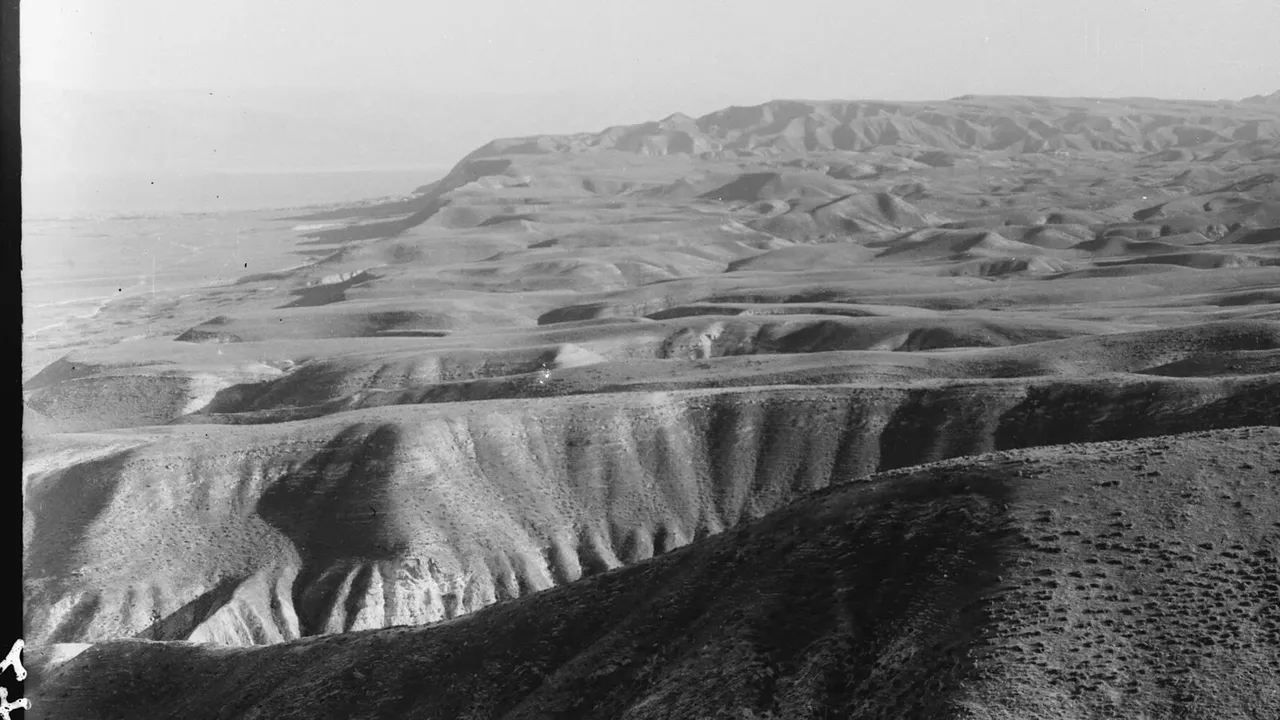
The next verse says what to do with that: "Let us therefore come boldly unto the throne of grace, that we may obtain mercy, and find grace to help in time of need" (Hebrews 4:16). You do not have to hide from him when you fall.
"A way to escape" (1 Corinthians 10:13)
Paul also wrote to the church in Corinth, a busy Greek city. In chapter ten he reminds them of what happened to Israel in the wilderness, and warns, "Wherefore let him that thinketh he standeth take heed lest he fall" (1 Corinthians 10:12). Then he writes a promise for the moment the pull feels stronger than you:
"There hath no temptation taken you but such as is common to man: but God is faithful, who will not suffer you to be tempted above that ye are able; but will with the temptation also make a way to escape, that ye may be able to bear it."
1 Corinthians 10:13 (KJV)
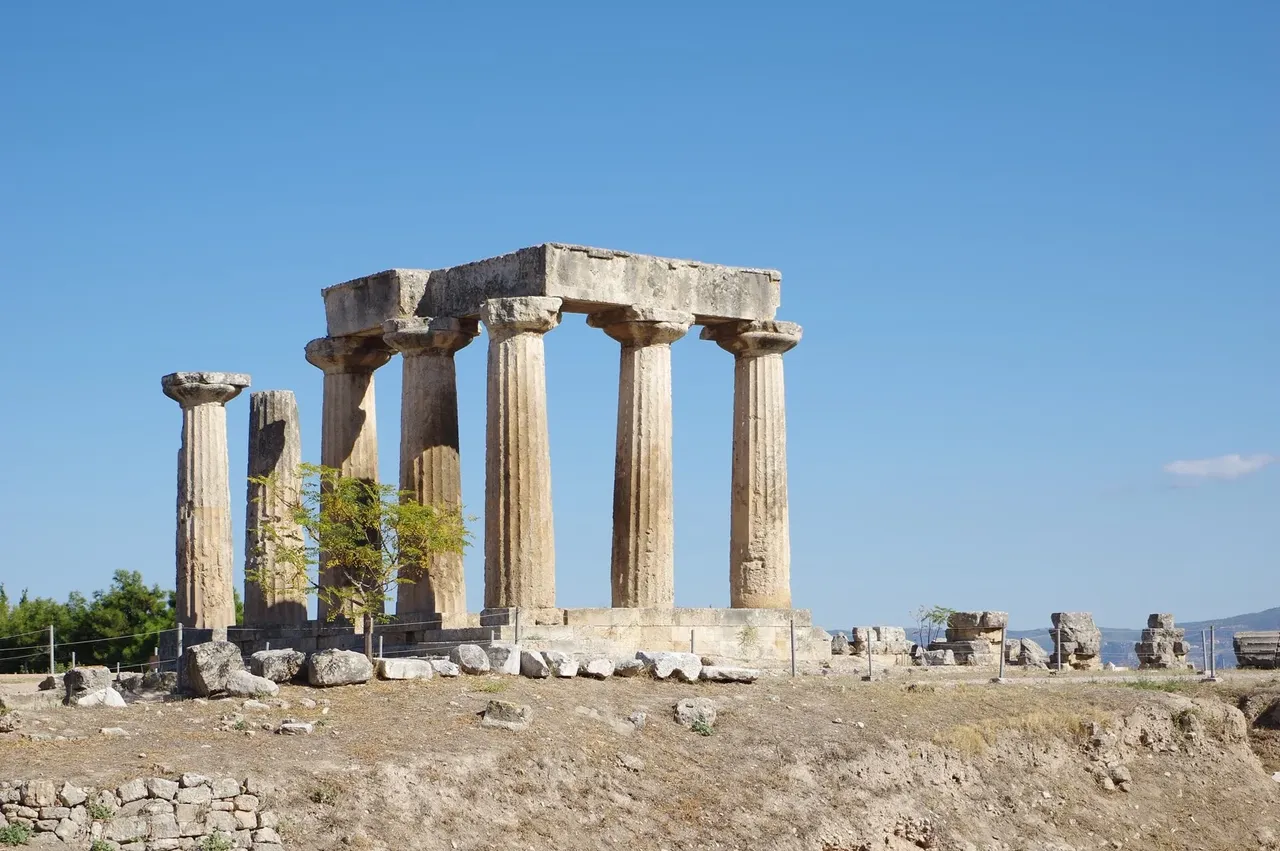
The verse does not say temptation will never come. It says it is "common to man", that "God is faithful", and that with the temptation he will "make a way to escape, that ye may be able to bear it."
The passages at a glance
- Romans 7:19: Paul, writing to the believers in Rome about doing what he did not want to do.
- Romans 7:24-25: the same chapter, ending in thanks to God through Jesus Christ.
- Matthew 4:1-11: Jesus tempted in the wilderness, answering "It is written".
- Hebrews 4:15-16: Jesus, tempted in all points like as we are, yet without sin.
- 1 Corinthians 10:13: Paul to the church in Corinth: God is faithful and will make a way to escape.
Your turn
Which of these verses will you hold on to the next time it comes? Tell us in the comments of the video, and if you know someone who keeps fighting the same battle, send it to them.
Watch more on Koinonet on YouTube.
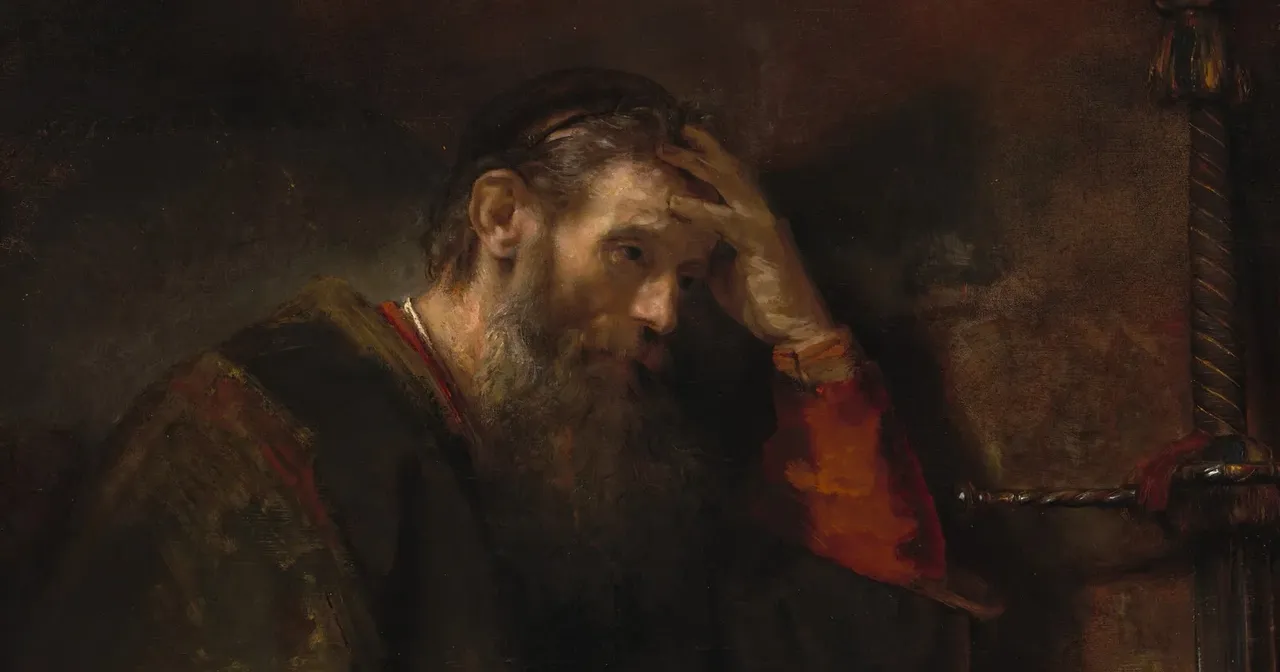
Cover photo: The Apostle Paul, Rembrandt van Rijn (and workshop), about 1657, National Gallery of Art (public domain).
Related articles
-
Devotionals
Afraid of What's Coming? What the Bible Says About Fear
King Jehoshaphat feared and prayed: neither know we what to do. What 2 Chronicles 20 and Psalm 27:1 say about fear of the future, in the KJV.
-
Devotionals
Doing the Work of Three People? What the Bible Says
Moses judged the people from morning until evening, until Jethro said: this thing is too heavy for thee. Exodus 18 and Psalm 127 in the KJV.
-
Bible stories
7 Miracles of Jesus in John's Gospel and What Archaeology Found
The seven miracles of Jesus that John tells before the cross, from Cana to Lazarus, with what archaeology found of the places.