About to Say Something in Anger? What the Bible Says
Insulted by Nabal, David reached for his sword. Abigail's words stopped him. What 1 Samuel 25 and James 1:19-20 say about anger, in the KJV.
Maybe someone just answered your kindness with an insult, and the words you want to send back are already in your head. Anger can feel completely right in that moment. The Bible tells the story of a man who felt exactly that, and of what stopped him before he did something he could never take back.
This article goes with our short video on anger. Every quotation is from the King James Version (KJV).
Watch the short video: About to say something in anger? Read this
Good repaid with insults (1 Samuel 25:2-14)
Before he was king, David lived in the wilderness with his men. Near Carmel lived a rich man named Nabal, who "had three thousand sheep, and a thousand goats" (1 Samuel 25:2). The text says his wife Abigail "was a woman of good understanding" (1 Samuel 25:3). Nabal's own shepherds later said of David's men: "They were a wall unto us both by night and day, all the while we were with them keeping the sheep" (1 Samuel 25:16).
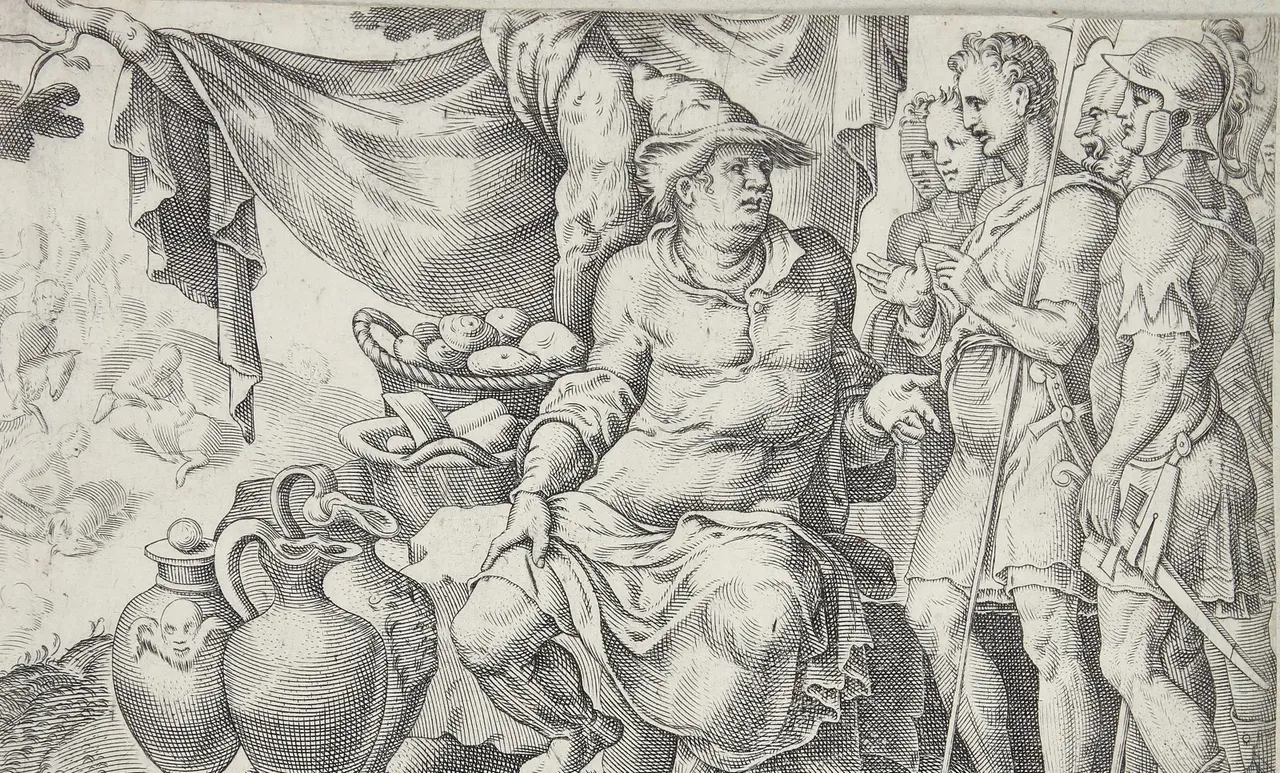
When David sent young men to ask Nabal for food at the time of the sheep shearing, Nabal answered, "Who is David? and who is the son of Jesse?" (1 Samuel 25:10), and sent them away. One of the servants told Abigail that Nabal "railed on them" (1 Samuel 25:14).
What David said in his anger (1 Samuel 25:13, 21)
David's answer was immediate: "Gird ye on every man his sword" (1 Samuel 25:13), and about four hundred men went up with him. On the way, the text records what David had said:
"Now David had said, Surely in vain have I kept all that this fellow hath in the wilderness, so that nothing was missed of all that pertained unto him: and he hath requited me evil for good."
1 Samuel 25:21 (KJV)
The woman on the road (1 Samuel 25:18-31)
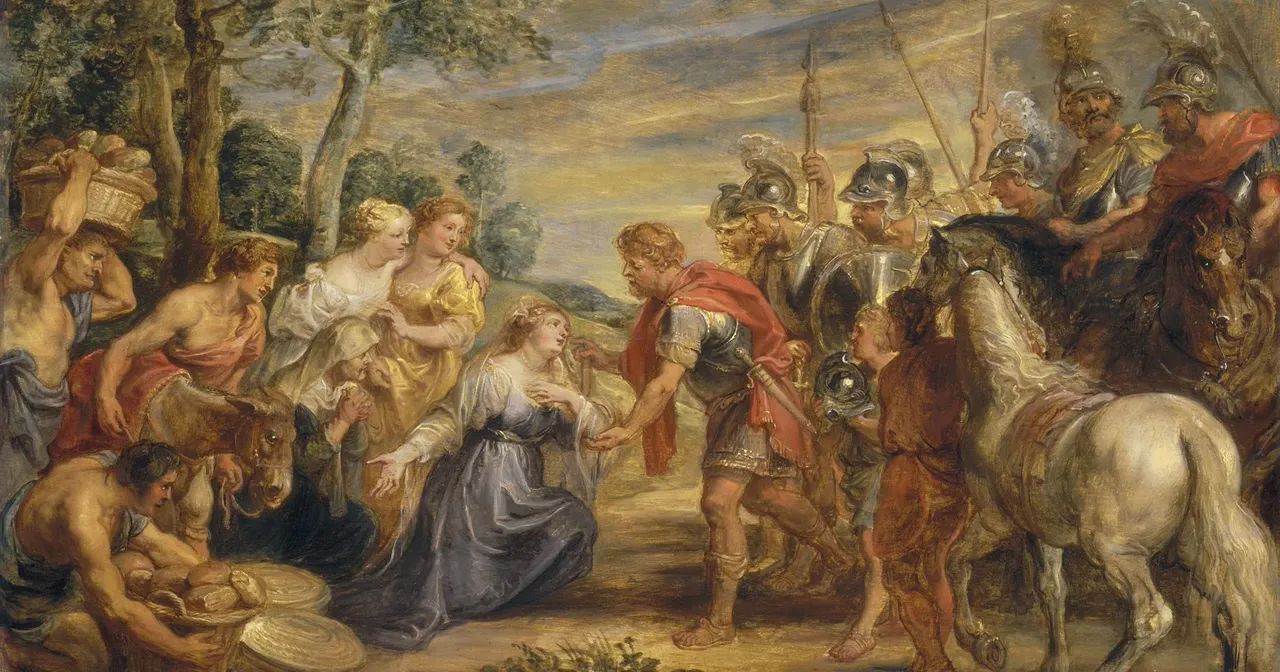
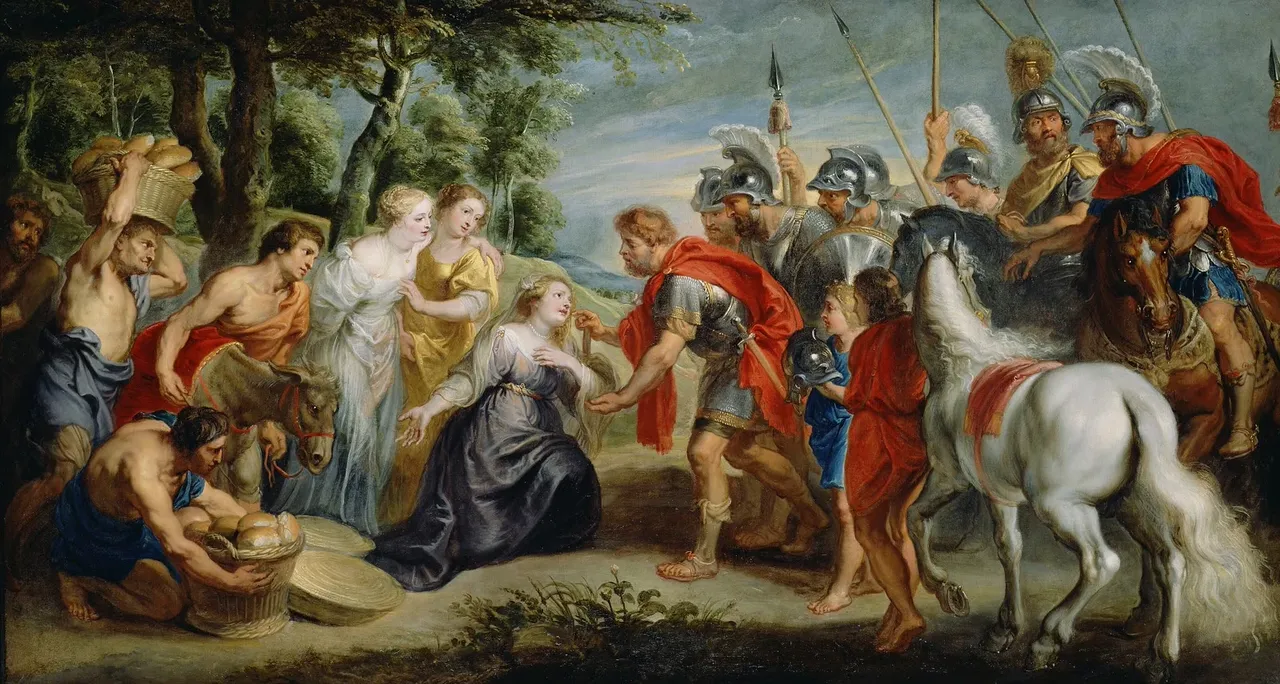
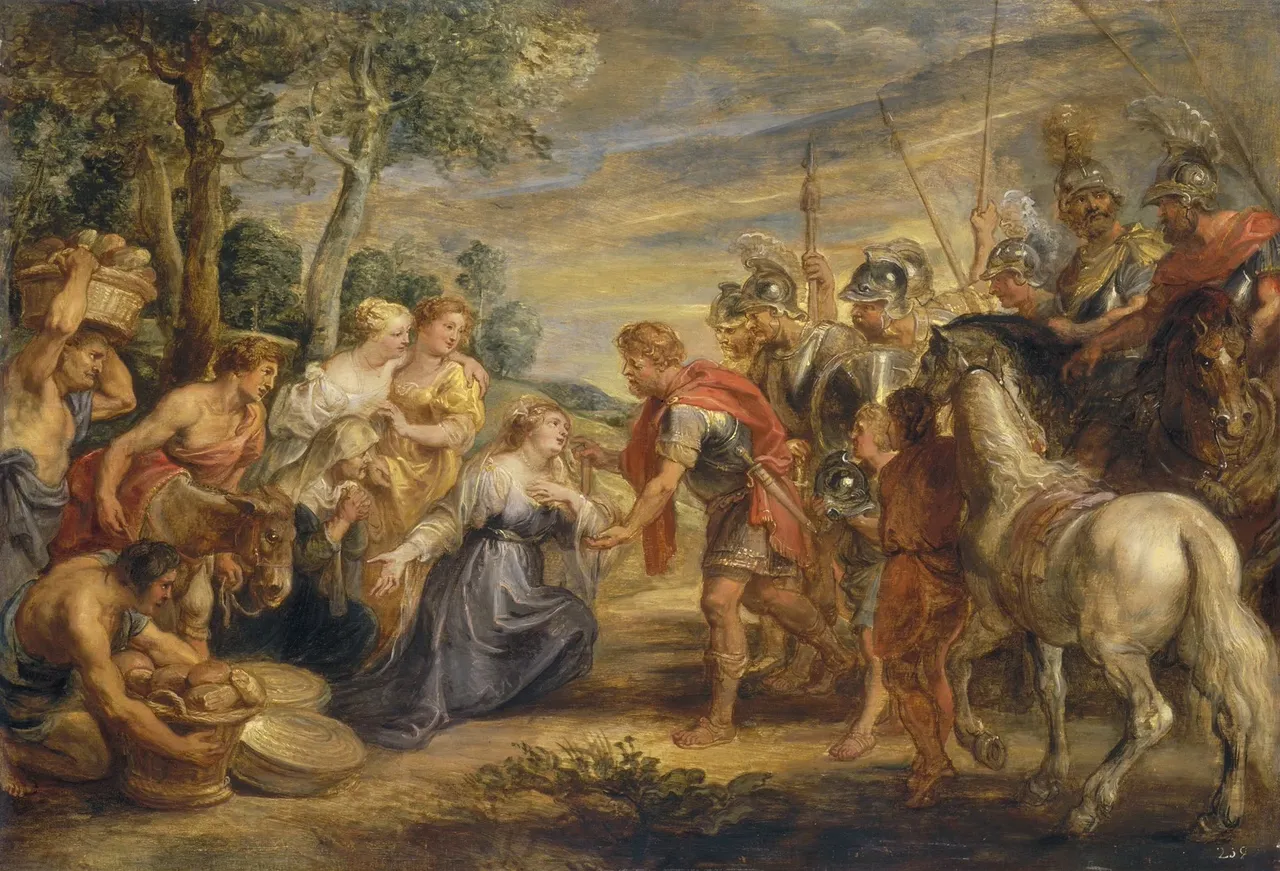
Abigail did not wait. She "made haste," loaded donkeys with bread, wine, sheep, raisins and figs (1 Samuel 25:18), and rode out to meet David. When she saw him, she bowed to the ground and asked him to hear her: "let thine handmaid, I pray thee, speak in thine audience, and hear the words of thine handmaid" (1 Samuel 25:24).
"Blessed be thy advice" (1 Samuel 25:32-35)
David listened. His answer is recorded in the next verses:
"And blessed be thy advice, and blessed be thou, which hast kept me this day from coming to shed blood, and from avenging myself with mine own hand."
1 Samuel 25:33 (KJV)
He received what she had brought and told her, "Go up in peace to thine house; see, I have hearkened to thy voice" (1 Samuel 25:35).
"Slow to speak, slow to wrath" (James 1:19-20)
In his letter "to the twelve tribes which are scattered abroad" (James 1:1), James writes:
"Wherefore, my beloved brethren, let every man be swift to hear, slow to speak, slow to wrath: For the wrath of man worketh not the righteousness of God."
James 1:19-20 (KJV)
The passages at a glance
- 1 Samuel 25:10-14: Nabal answers David's young men with insults.
- 1 Samuel 25:13: David tells his men, "Gird ye on every man his sword."
- 1 Samuel 25:21: David, "he hath requited me evil for good."
- 1 Samuel 25:33: David to Abigail, "blessed be thy advice."
- James 1:19-20: "swift to hear, slow to speak, slow to wrath."
Who do you need to hear out before you answer? Tell us in the comments, and share this article with a friend who is struggling with anger.
For more of what the Bible says about your life, watch and subscribe to Koinonet on YouTube.
Cover photo: Peter Paul Rubens, The Meeting of David and Abigail, National Gallery of Art (CC0).
Related articles
-
Devotionals
Afraid of What's Coming? What the Bible Says About Fear
King Jehoshaphat feared and prayed: neither know we what to do. What 2 Chronicles 20 and Psalm 27:1 say about fear of the future, in the KJV.
-
Devotionals
Fighting the Same Temptation Again? What the Bible Says
Paul wrote: the evil which I would not, that I do. What Romans 7, Hebrews 4:15 and 1 Corinthians 10:13 say about temptation, in the KJV.
-
Devotionals
Doing the Work of Three People? What the Bible Says
Moses judged the people from morning until evening, until Jethro said: this thing is too heavy for thee. Exodus 18 and Psalm 127 in the KJV.