Drowning in Debt? What the Bible Says About Debt
A widow cried out to Elisha about her debt, Jesus said the Father knows our needs, and Hebrews 13:5 says: I will never leave thee.
When the bills keep coming and the money doesn't, it can feel like you are the only one who has ever been there. You're not. The Bible records the words of a mother who owed what she could not pay, and it also records what Jesus said about our daily needs and what God has promised to His people.
This article goes with our short video on the same verses. Every quotation is from the King James Version (KJV).
Watch the short video: Drowning in debt? What the Bible says, Hebrews 13:5
A widow and a creditor (2 Kings 4:1)
In the days of the prophet Elisha, a woman whose husband had been one of "the sons of the prophets" came to him in trouble. Her husband had died, and someone she owed was on his way to take her two sons as servants. The Bible keeps her own words:
"Now there cried a certain woman of the wives of the sons of the prophets unto Elisha, saying, Thy servant my husband is dead; and thou knowest that thy servant did fear the LORD: and the creditor is come to take unto him my two sons to be bondmen."
2 Kings 4:1 (KJV)
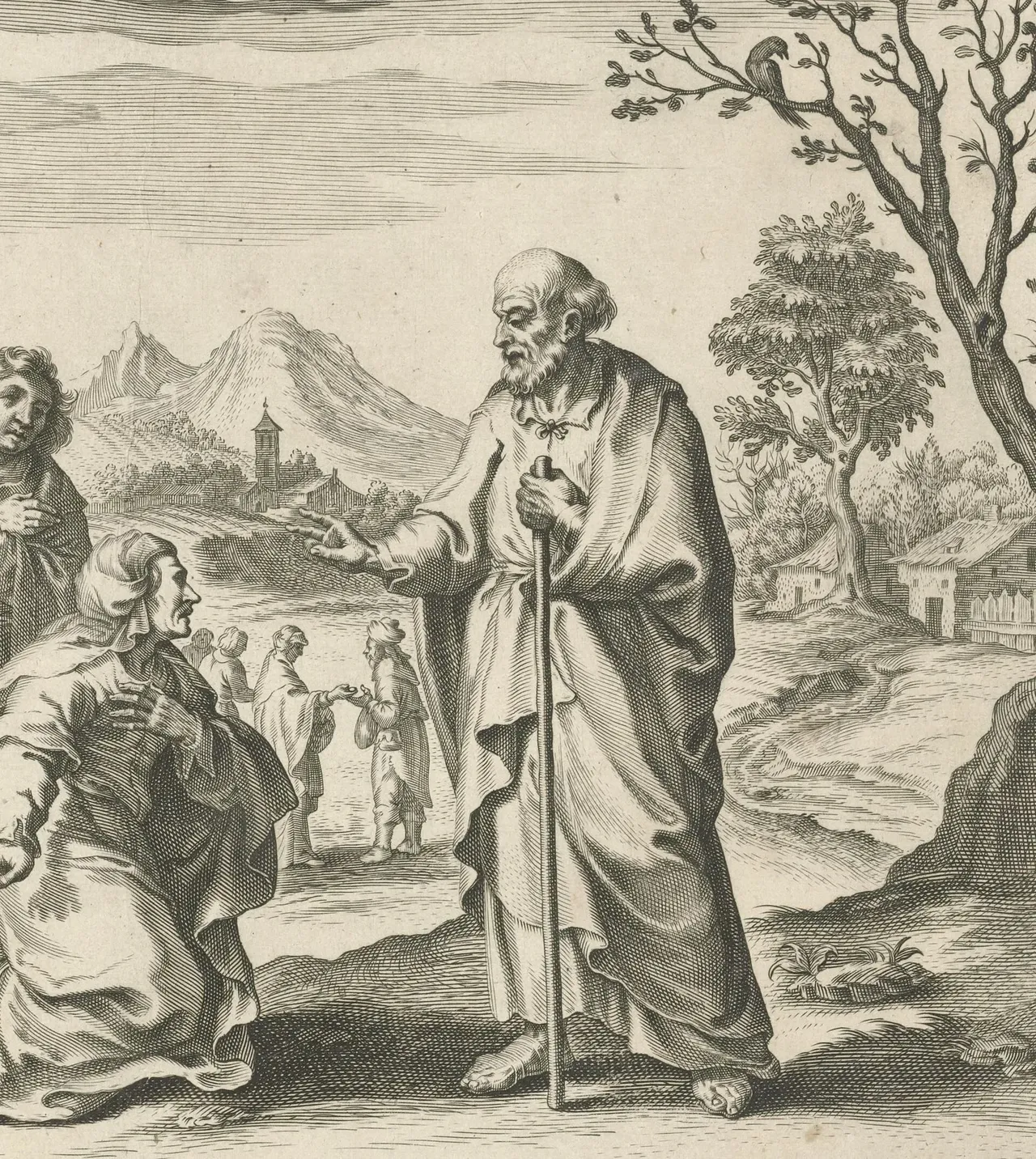
Her story didn't end at that door (2 Kings 4:2-7)
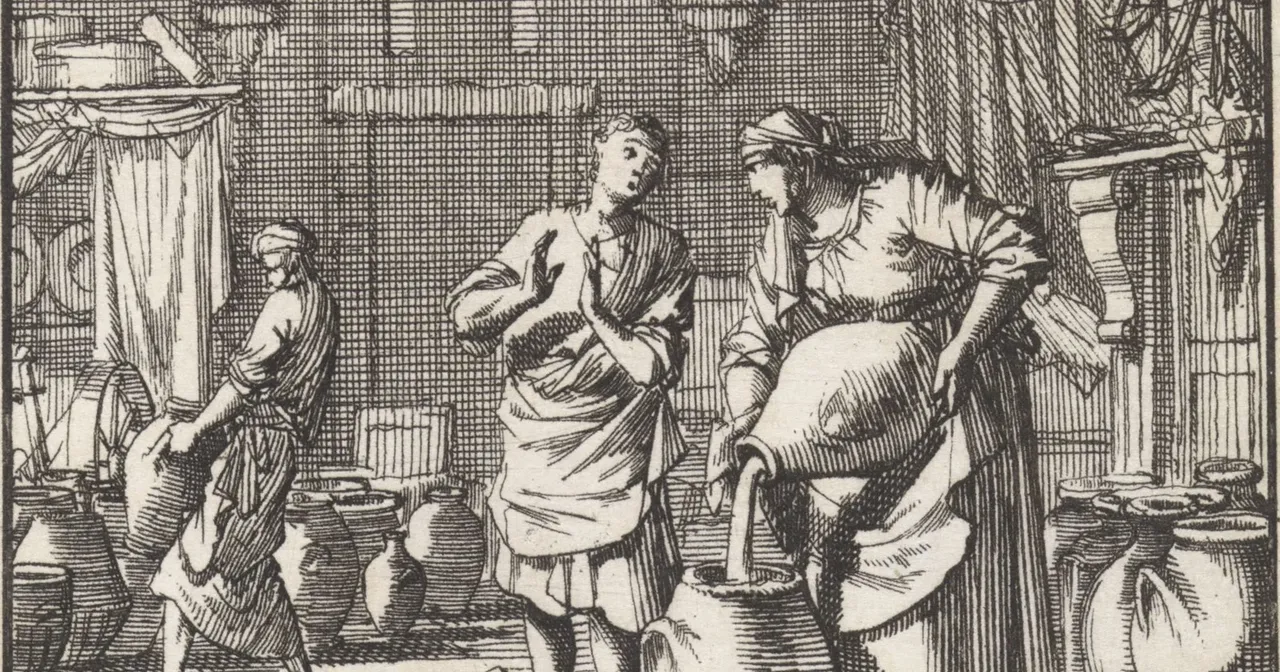
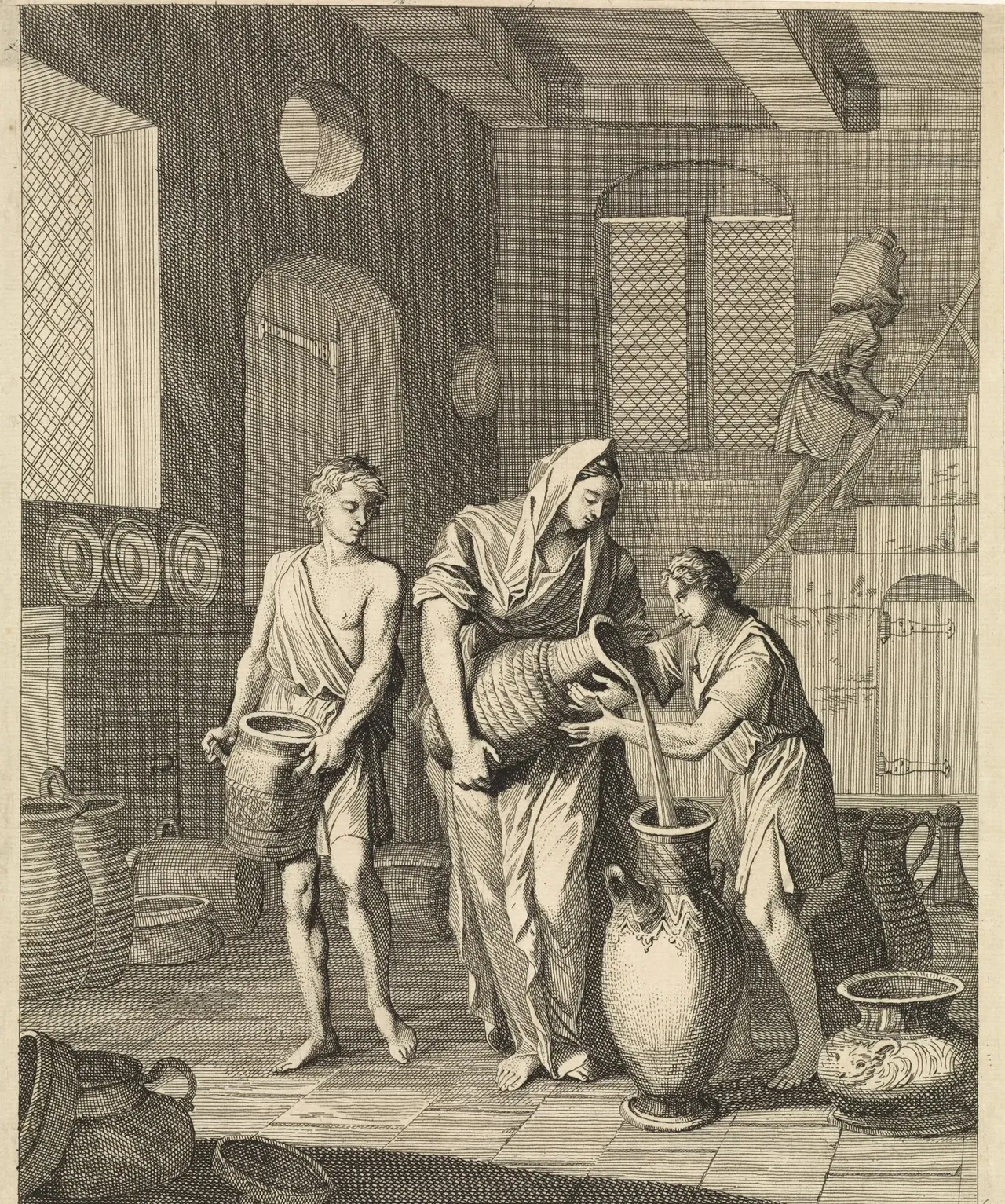
Elisha asked her, "What shall I do for thee? tell me, what hast thou in the house?" She answered that she had nothing "save a pot of oil" (2 Kings 4:2). He told her to borrow empty vessels from her neighbours, "borrow not a few," to shut the door upon herself and her sons, and to pour (2 Kings 4:3-4).
She did, and the oil kept flowing until her son said, "There is not a vessel more. And the oil stayed" (2 Kings 4:6). Then Elisha told her: "Go, sell the oil, and pay thy debt, and live thou and thy children of the rest" (2 Kings 4:7).
"Your heavenly Father knoweth" (Matthew 6:32)
Centuries later, in the Sermon on the Mount, Jesus spoke to the crowds about food, drink and clothing (Matthew 6:25-34). "Therefore take no thought, saying, What shall we eat? or, What shall we drink? or, Wherewithal shall we be clothed?" (Matthew 6:31). And then:
"(For after all these things do the Gentiles seek:) for your heavenly Father knoweth that ye have need of all these things."
Matthew 6:32 (KJV)
In the next verse He said: "But seek ye first the kingdom of God, and his righteousness; and all these things shall be added unto you" (Matthew 6:33).
"I will never leave thee" (Hebrews 13:5)
Near the end of the letter to the Hebrews, among its closing words to believers, comes a promise in God's own words:
"Let your conversation be without covetousness; and be content with such things as ye have: for he hath said, I will never leave thee, nor forsake thee."
Hebrews 13:5 (KJV)
And the next verse continues: "So that we may boldly say, The Lord is my helper, and I will not fear what man shall do unto me" (Hebrews 13:6).
The passages at a glance
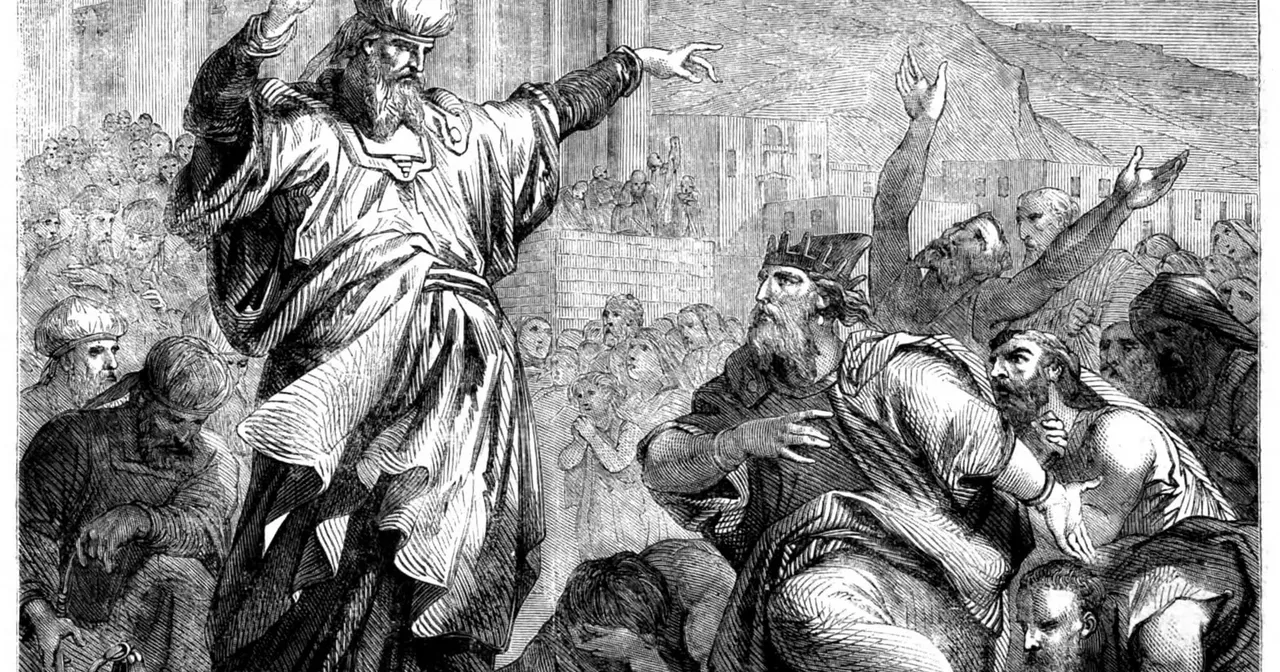
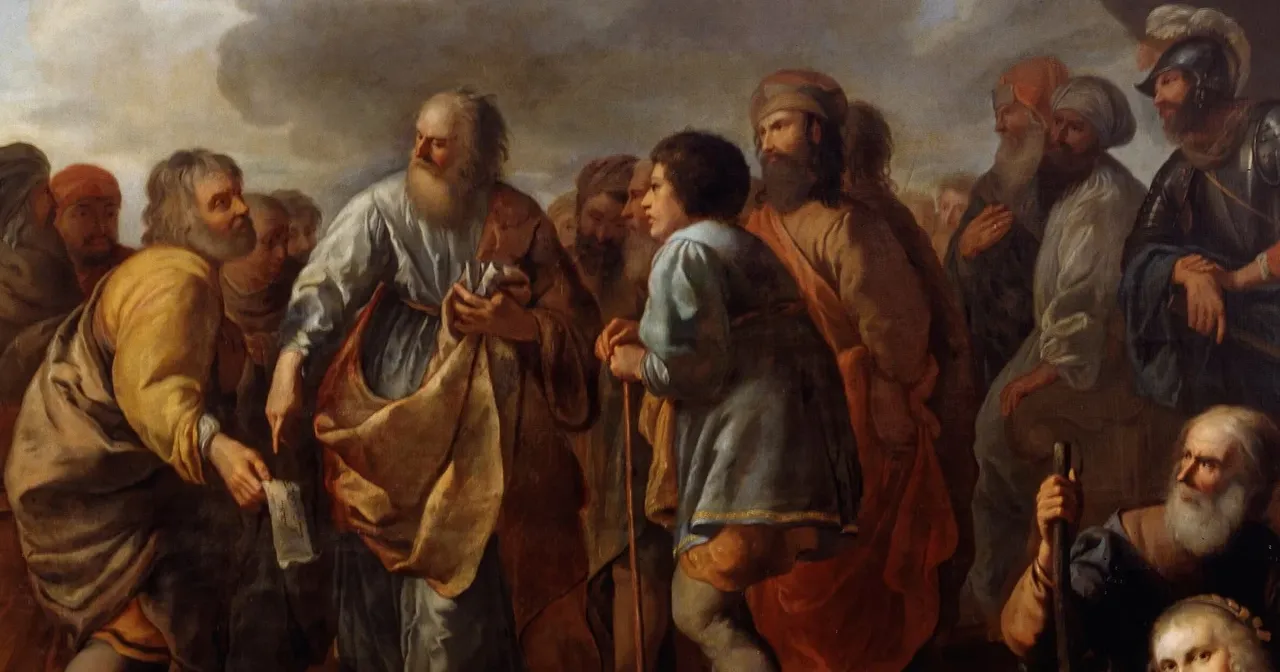
- 2 Kings 4:1-7: a widow, crying out to the prophet Elisha about her debt, and what happened next.
- Matthew 6:32: Jesus, teaching the crowds in the Sermon on the Mount.
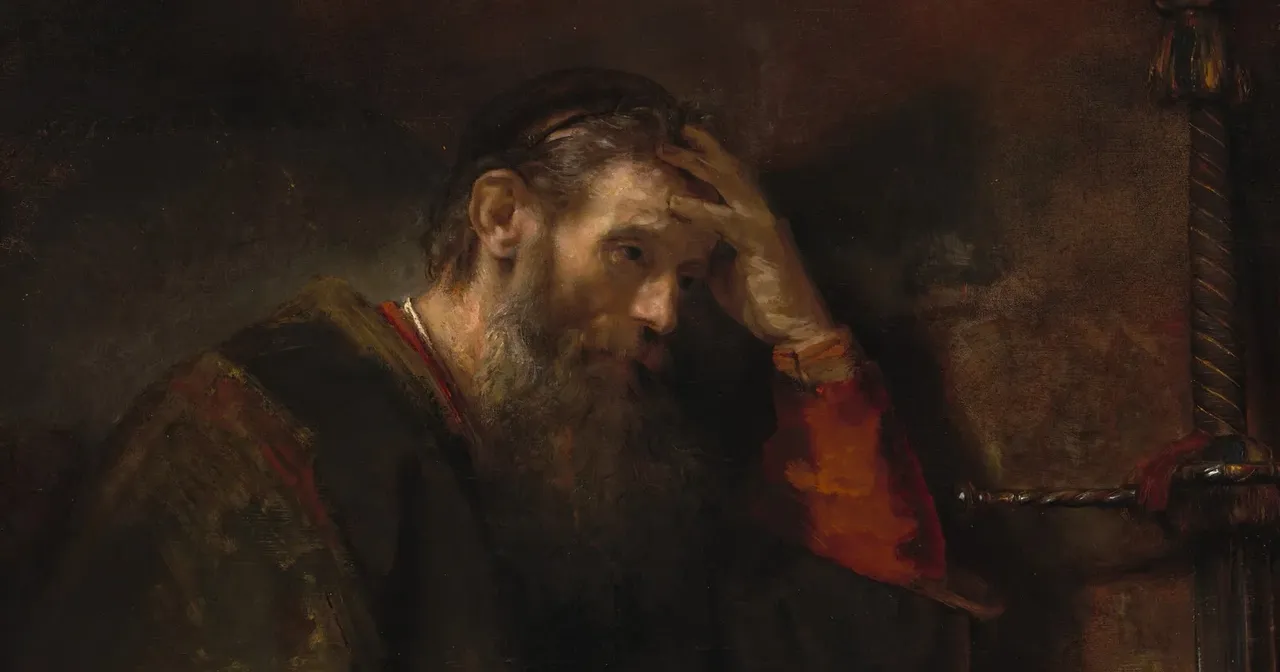
- Hebrews 13:5: the letter to the Hebrews, quoting what God has said.
Which of these verses do you need today? Tell us in the comments, and share this article with someone who is carrying a debt tonight.
For more of what the Bible says about your life, watch and subscribe to Koinonet on YouTube.
Cover photo: engraving of the widow pouring the oil (2 Kings 4), Rijksmuseum (CC0).
Related articles
-
Devotionals
Afraid of What's Coming? What the Bible Says About Fear
King Jehoshaphat feared and prayed: neither know we what to do. What 2 Chronicles 20 and Psalm 27:1 say about fear of the future, in the KJV.
-
Devotionals
Fighting the Same Temptation Again? What the Bible Says
Paul wrote: the evil which I would not, that I do. What Romans 7, Hebrews 4:15 and 1 Corinthians 10:13 say about temptation, in the KJV.
-
Devotionals
Doing the Work of Three People? What the Bible Says
Moses judged the people from morning until evening, until Jethro said: this thing is too heavy for thee. Exodus 18 and Psalm 127 in the KJV.