Everything Fell Apart at Once? What the Bible Says
Ziklag burned and David wept until he had no more power to weep. Then he encouraged himself in the LORD. 1 Samuel 30 and Psalm 42 in the KJV.
Some weeks the bad news does not come one piece at a time. It all lands at once: the job, the diagnosis, the family, the money. You cry until you cannot cry anymore, and then you find out that the people around you are blaming you for it. If that is where you are tonight, the Bible tells of a man who stood in that exact place, and it records what he did next.
This article goes with our short video on discouragement. Every quotation is from the King James Version (KJV).
Watch the short video: Everything fell apart at once? Bible verses for discouragement
Ziklag burned (1 Samuel 30:1-4)
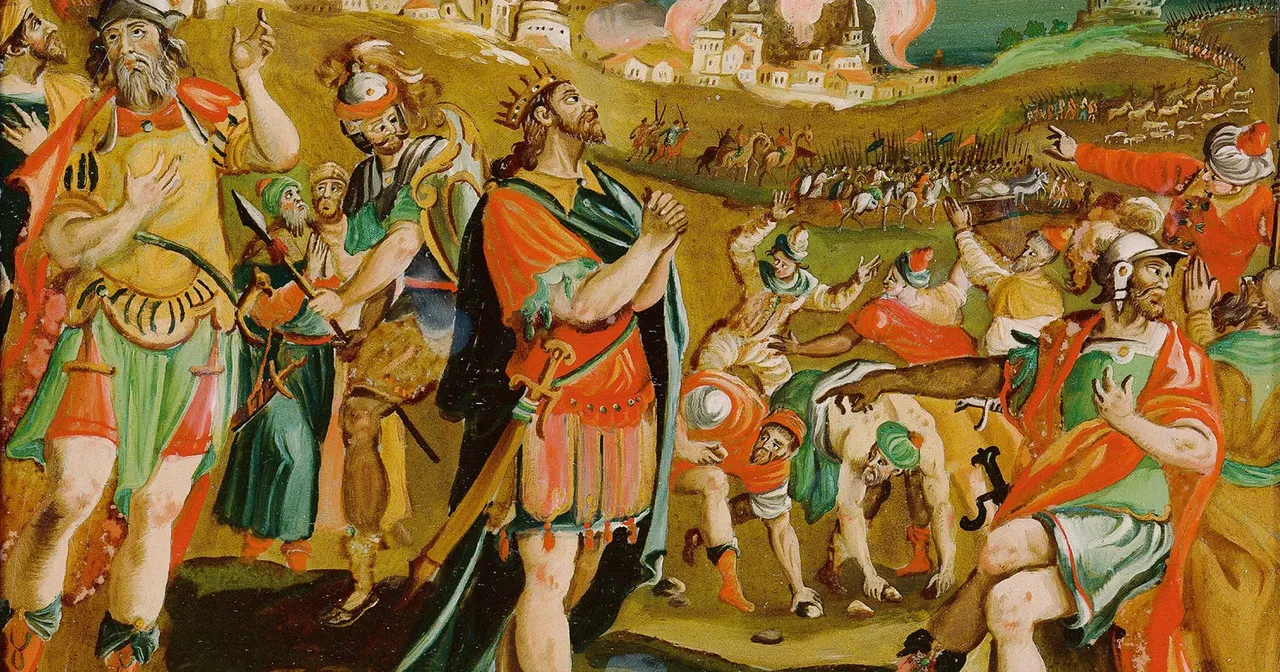
Before he was king, David lived with six hundred men and their families in the Philistine town of Ziklag. When they came back from a journey, they found that the Amalekites had invaded, "smitten Ziklag, and burned it with fire" (1 Samuel 30:1), and had taken the women and children captive (1 Samuel 30:2-3). The text describes what David and his men did:
"Then David and the people that were with him lifted up their voice and wept, until they had no more power to weep."
1 Samuel 30:4 (KJV)
David had lost his own family too: "David's two wives were taken captives" (1 Samuel 30:5).
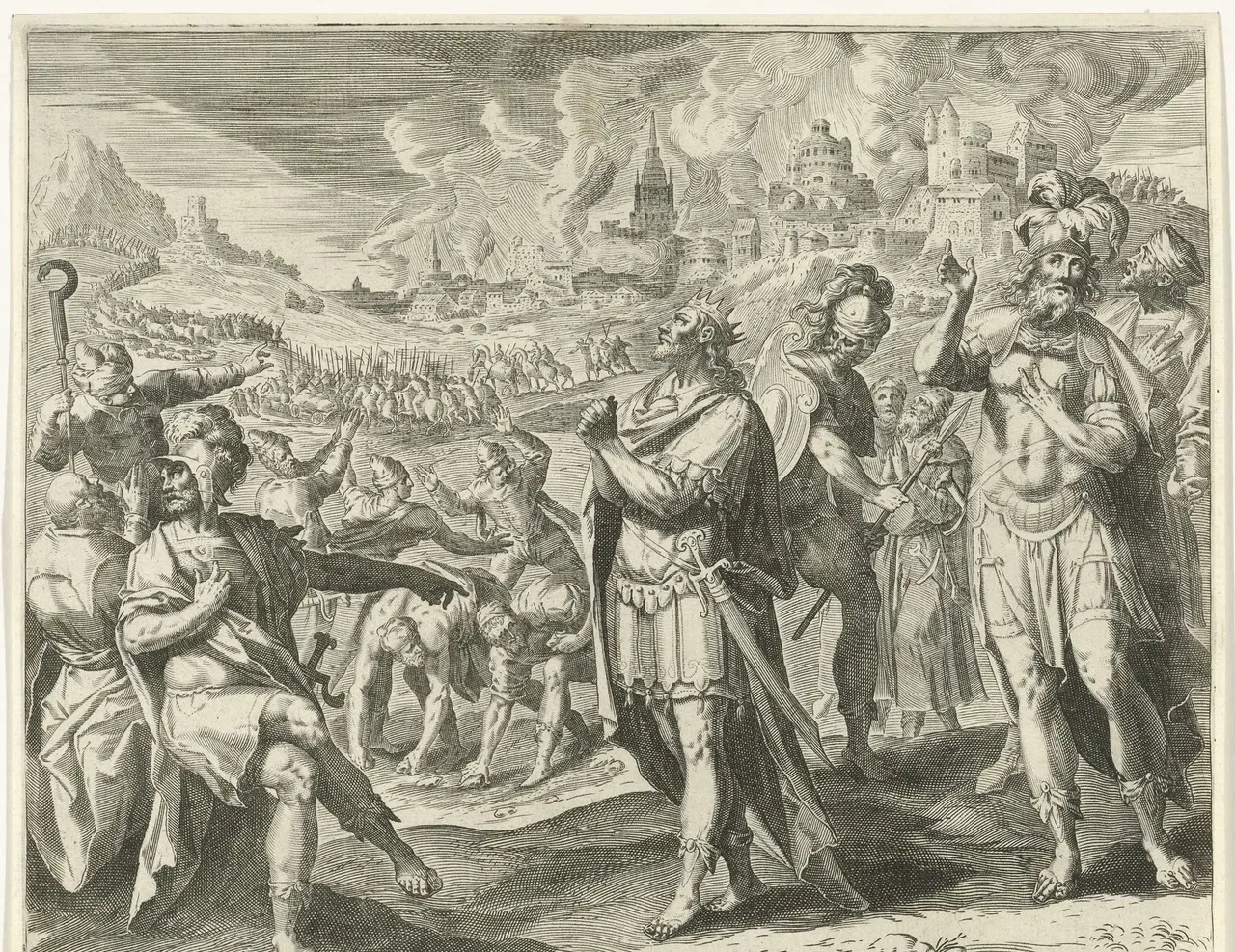
"David encouraged himself in the LORD his God" (1 Samuel 30:6)
Then the grief of his men turned against him. The next verse puts the distress and the turning point side by side:
"And David was greatly distressed; for the people spake of stoning him, because the soul of all the people was grieved, every man for his sons and for his daughters: but David encouraged himself in the LORD his God."
1 Samuel 30:6 (KJV)
The chapter goes on to say what David did after that. He asked Abiathar the priest to bring the ephod, and "David enquired at the LORD" (1 Samuel 30:7-8). Then he went after the Amalekites with his men (1 Samuel 30:9-10), and the chapter records that "David recovered all" that had been taken from Ziklag (1 Samuel 30:19).
"Why art thou cast down, O my soul?" (Psalm 42:11)
Psalm 42, written "for the sons of Korah," comes from someone who says, "My tears have been my meat day and night" (Psalm 42:3). Twice the writer speaks to his own soul with the same words (Psalm 42:5 and 42:11):
"Why art thou cast down, O my soul? and why art thou disquieted within me? hope thou in God: for I shall yet praise him, who is the health of my countenance, and my God."
Psalm 42:11 (KJV)
The passages at a glance
- 1 Samuel 30:4: David and his men at Ziklag, "wept, until they had no more power to weep."
- 1 Samuel 30:6: blamed by his own men, "David encouraged himself in the LORD his God."
- 1 Samuel 30:8: "David enquired at the LORD."
- Psalm 42:11: the psalmist to his own soul, "hope thou in God."
Where do you take it first when everything falls apart? Tell us in the comments, and share this article with a friend whose whole week fell apart.
For more of what the Bible says about your life, watch and subscribe to Koinonet on YouTube.
Cover photo: David before the city of Ziklag, 17th century, after Aegidius Sadeler and Maerten de Vos, Wikimedia Commons (public domain).
Related articles
-
Devotionals
Afraid of What's Coming? What the Bible Says About Fear
King Jehoshaphat feared and prayed: neither know we what to do. What 2 Chronicles 20 and Psalm 27:1 say about fear of the future, in the KJV.
-
Devotionals
Fighting the Same Temptation Again? What the Bible Says
Paul wrote: the evil which I would not, that I do. What Romans 7, Hebrews 4:15 and 1 Corinthians 10:13 say about temptation, in the KJV.
-
Devotionals
Doing the Work of Three People? What the Bible Says
Moses judged the people from morning until evening, until Jethro said: this thing is too heavy for thee. Exodus 18 and Psalm 127 in the KJV.