Believe but Still Doubt? What the Bible Says About Doubt
A father told Jesus, Lord, I believe; help thou mine unbelief, and Jesus spoke to Thomas. Mark 9:24, 9:27 and John 20:27 in the KJV.
Maybe you pray, you read your Bible, you believe in God, and still the questions come back. Is any of this true? Is He really listening? Doubt can make you feel like a fraud, as if believing and doubting could never live in the same heart. But the Bible does not hide that struggle. It shows a father who said both things out loud, to Jesus himself, and it shows a disciple who said he would not believe. And it records what Jesus did with each of them.
This article goes with our short video on the same verses. Every quotation is from the King James Version (KJV).
Watch the short video: Believe in God but still doubt? Read this
A father who believed and doubted (Mark 9:24)
In Mark 9, a man brings his son to the disciples. The boy had a spirit that threw him to the ground, and the disciples "could not" cast it out (Mark 9:18). When Jesus asks how long this has been happening, the father answers: "Of a child" (Mark 9:21). Then the father asks for help "if thou canst do any thing" (Mark 9:22), and Jesus said unto him, "If thou canst believe, all things are possible to him that believeth" (Mark 9:23). This is how the father answered:
"And straightway the father of the child cried out, and said with tears, Lord, I believe; help thou mine unbelief."
Mark 9:24 (KJV)
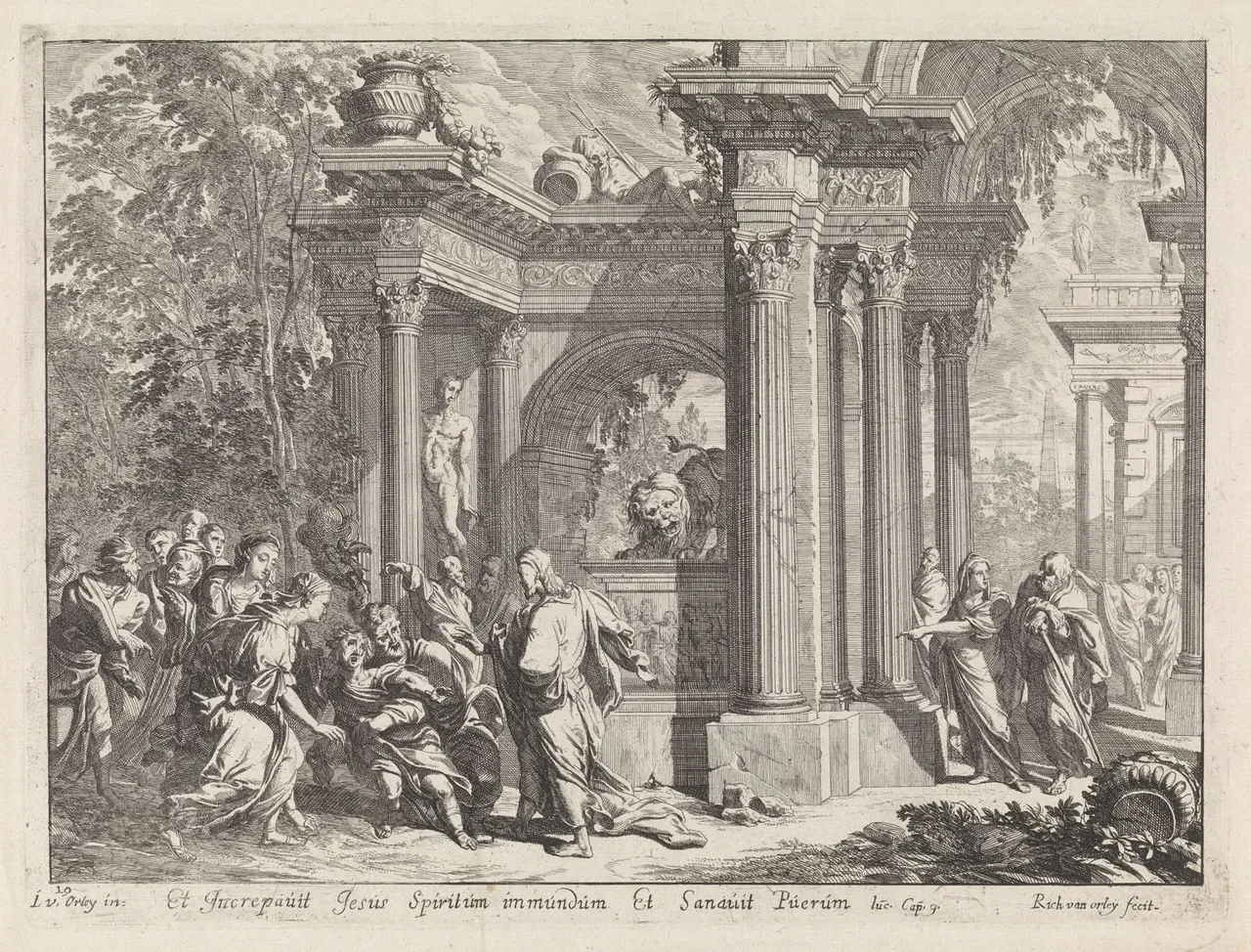
He did not pretend. He said that he believed, and in the same breath he asked for help with his unbelief, with tears.
Jesus did not send him away (Mark 9:27)
The father came with faith and doubt mixed together, and Jesus did not turn him away. Jesus rebuked the spirit (Mark 9:25), the boy lay "as one dead" (Mark 9:26), and then:
"But Jesus took him by the hand, and lifted him up; and he arose."
Mark 9:27 (KJV)
Thomas and the print of the nails (John 20:27)
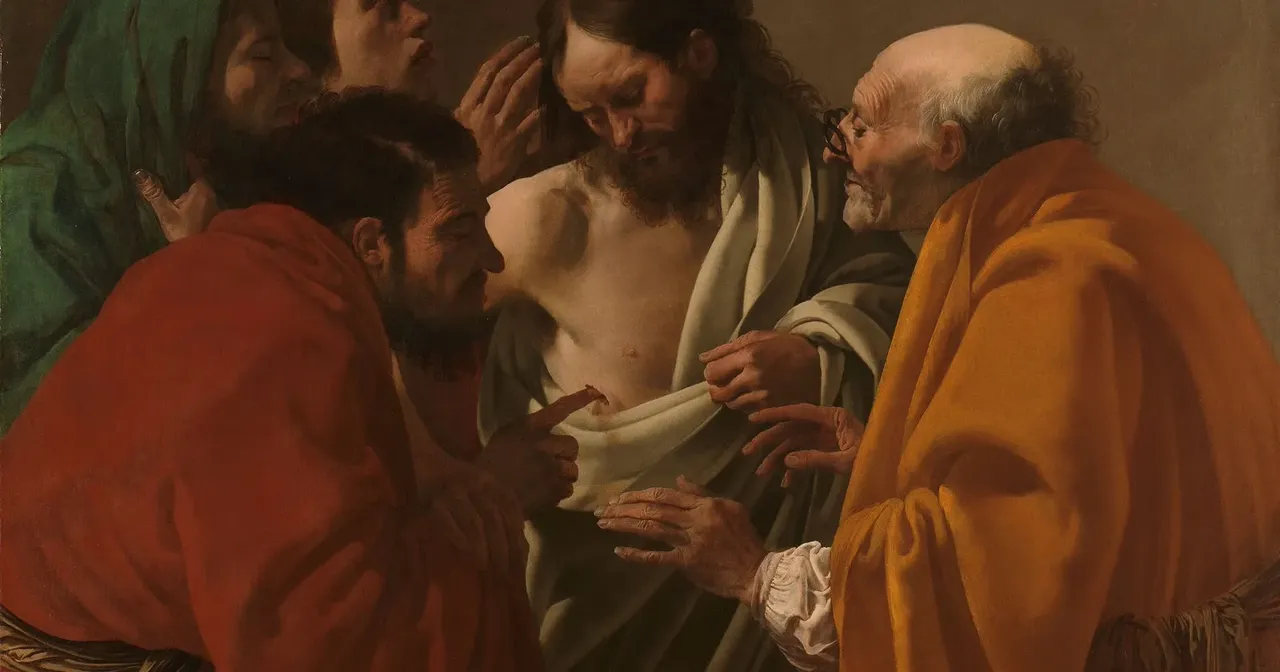
The Gospel of John tells about another man who struggled to believe. Thomas was not with the other disciples when Jesus appeared to them after the resurrection. When they told him, "We have seen the Lord", he answered that unless he saw "the print of the nails", he would not believe (John 20:25).
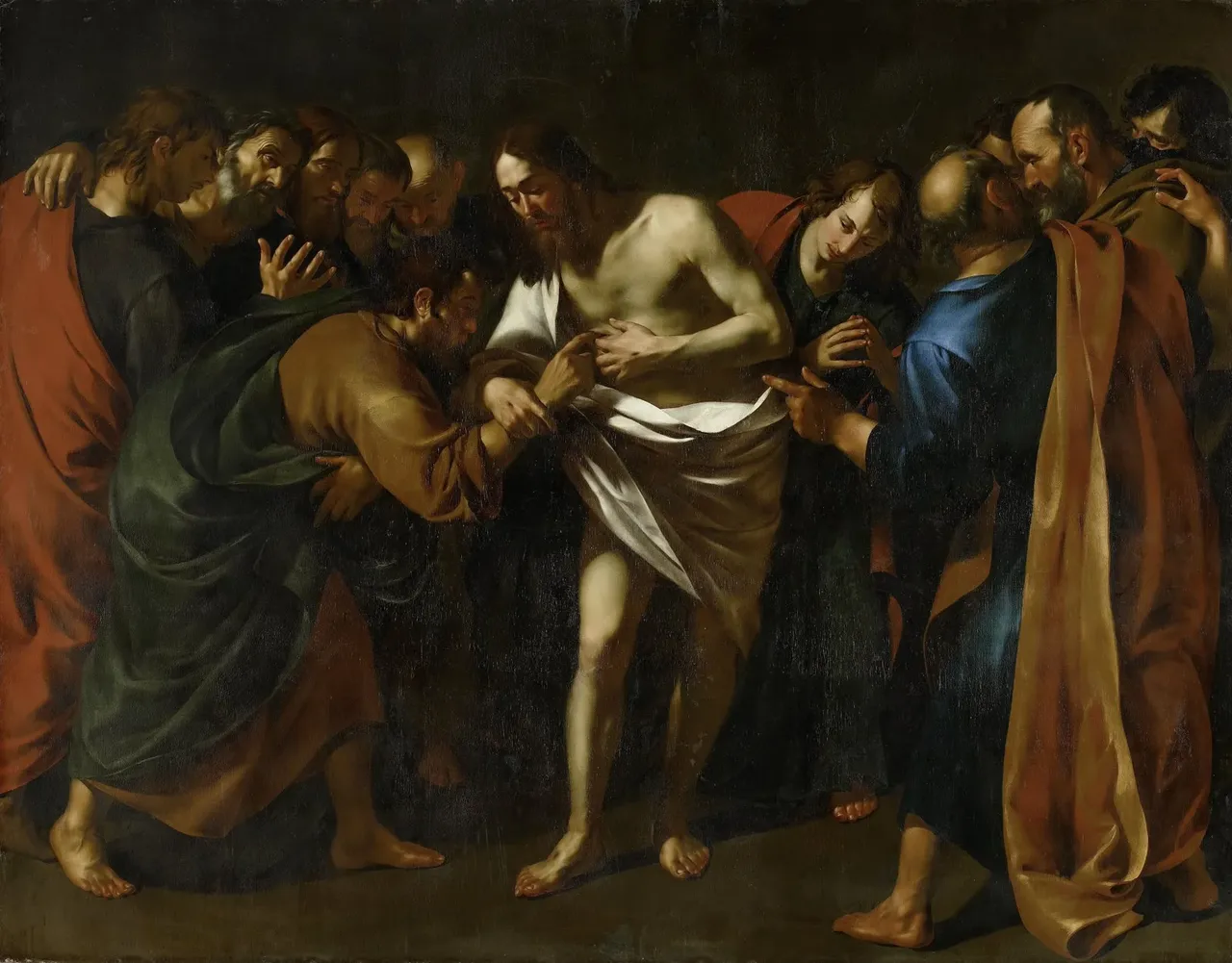
Eight days later Jesus came again, stood in the midst of the disciples, and said, "Peace be unto you" (John 20:26). Then He spoke to Thomas:
"Then saith he to Thomas, Reach hither thy finger, and behold my hands; and reach hither thy hand, and thrust it into my side: and be not faithless, but believing."
John 20:27 (KJV)
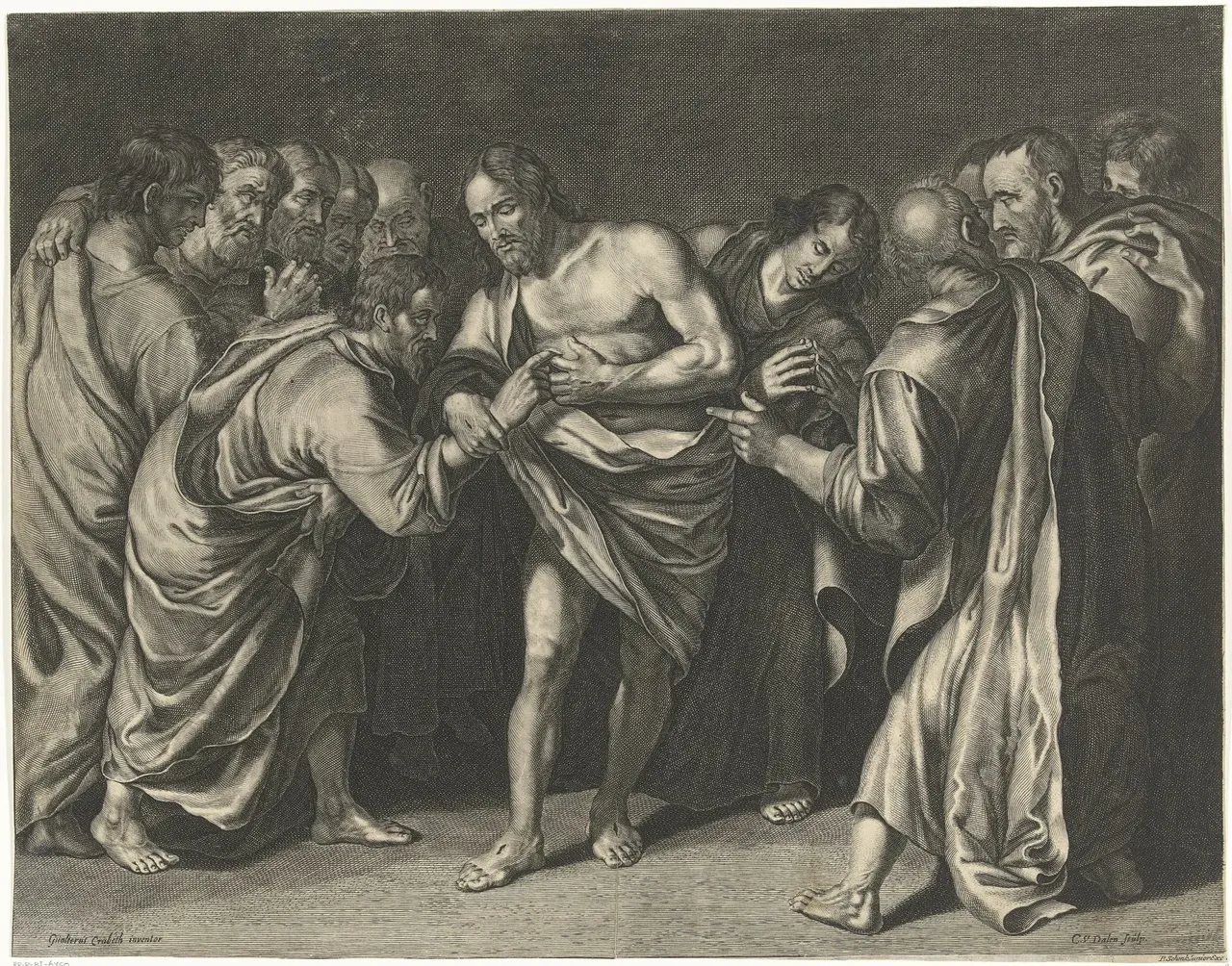
Jesus came to the man who doubted and spoke to him in person. The next verse gives Thomas's answer: "My Lord and my God" (John 20:28).
The passages at a glance
- Mark 9:24: a father, pleading for his son, who told Jesus he believed and asked for help with his unbelief.
- Mark 9:27: what Jesus did next for that father's son.
- John 20:27: Jesus, speaking to Thomas eight days after Thomas said he would not believe.
If you believe and still doubt, you are not the first. A father brought both to Jesus, and Jesus did not send him away. Thomas doubted, and Jesus came to him and said, "be not faithless, but believing."
Which of these two men sounds like you today? Tell us in the comments, and share this article with a friend who is quietly struggling with doubt.
For more of what the Bible says about your life, watch and subscribe to Koinonet on YouTube.
Cover photo: The Incredulity of Thomas, Hendrick ter Brugghen, Rijksmuseum (public domain).
Related articles
-
Devotionals
Afraid of What's Coming? What the Bible Says About Fear
King Jehoshaphat feared and prayed: neither know we what to do. What 2 Chronicles 20 and Psalm 27:1 say about fear of the future, in the KJV.
-
Devotionals
Fighting the Same Temptation Again? What the Bible Says
Paul wrote: the evil which I would not, that I do. What Romans 7, Hebrews 4:15 and 1 Corinthians 10:13 say about temptation, in the KJV.
-
Devotionals
Doing the Work of Three People? What the Bible Says
Moses judged the people from morning until evening, until Jethro said: this thing is too heavy for thee. Exodus 18 and Psalm 127 in the KJV.