Feel Like Everyone's Life Is Better? What the Bible Says About Envy
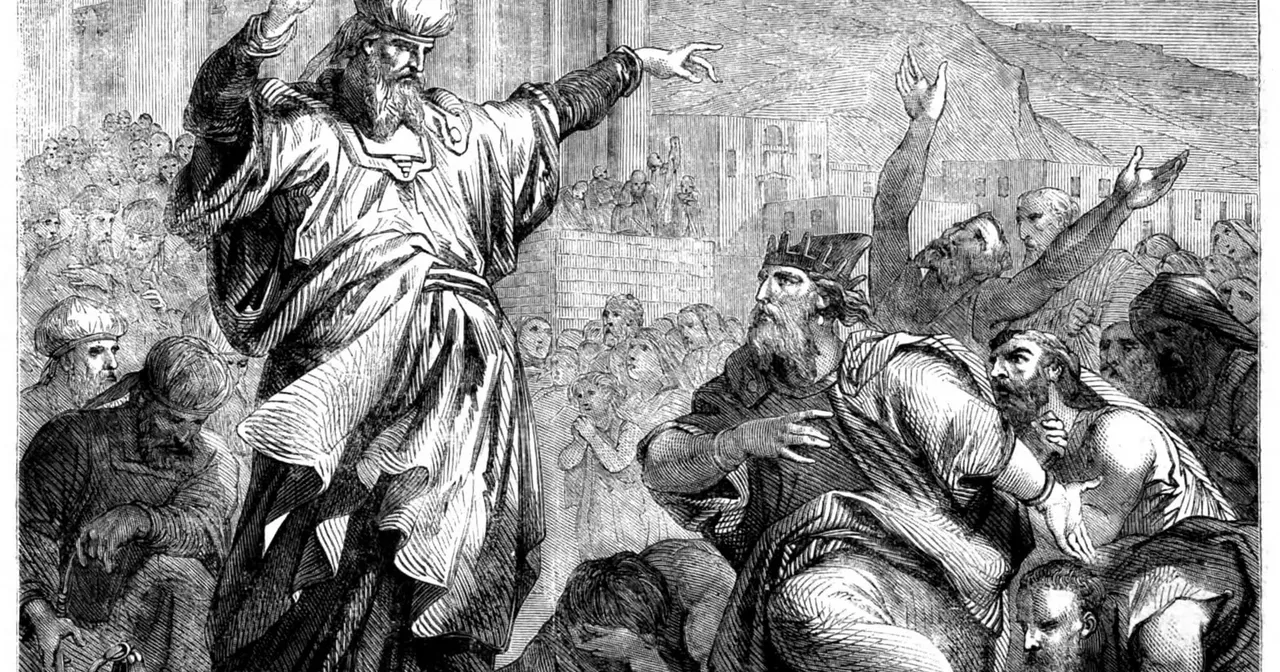
Asaph wrote that he was envious when he saw others prosper. Psalm 73 in the King James Bible tells where his answer came from.
If you close your phone at night feeling that everyone's life is better than yours, you're not the first. One of the psalms in the Bible is a man's honest record of that same feeling, from the first thought of envy to the place where it changed.
This article goes with our short video on Psalm 73. Every quotation is from the King James Version (KJV).
Watch the short video: Feel like everyone's life is better than yours? Read this
"For I was envious" (Psalm 73:3)
In the King James Bible, Psalm 73 carries the title "A Psalm of Asaph." It opens with a confession: "But as for me, my feet were almost gone; my steps had well nigh slipped" (Psalm 73:2). And then Asaph says why:
"For I was envious at the foolish, when I saw the prosperity of the wicked."
Psalm 73:3 (KJV)
He describes the people he was looking at. "They are not in trouble as other men; neither are they plagued like other men" (Psalm 73:5). "Therefore pride compasseth them about as a chain" (Psalm 73:6), and "they have more than heart could wish" (Psalm 73:7).
"I have cleansed my heart in vain"
Comparing his life with theirs led Asaph to a painful thought: "Verily I have cleansed my heart in vain, and washed my hands in innocency. For all the day long have I been plagued, and chastened every morning" (Psalm 73:13-14). He tried to make sense of it, and it only hurt more.
"Until I went into the sanctuary of God" (Psalm 73:16-17)
The turning point of the psalm is a single place:
"When I thought to know this, it was too painful for me; Until I went into the sanctuary of God; then understood I their end."
Psalm 73:16-17 (KJV)
After that, Asaph looks back on his envy and says of himself: "So foolish was I, and ignorant: I was as a beast before thee" (Psalm 73:22). And the very next verse says: "Nevertheless I am continually with thee: thou hast holden me by my right hand" (Psalm 73:23).
"God is the strength of my heart" (Psalm 73:26)
Near the end of the psalm, Asaph asks, "Whom have I in heaven but thee? and there is none upon earth that I desire beside thee" (Psalm 73:25). Then he writes:
"My flesh and my heart faileth: but God is the strength of my heart, and my portion for ever."
Psalm 73:26 (KJV)
The psalm ends with these words: "But it is good for me to draw near to God: I have put my trust in the Lord GOD, that I may declare all thy works" (Psalm 73:28).

Psalm 73 at a glance
- Psalm 73:3: Asaph admits he was envious when he saw others prosper.
- Psalm 73:13-14: he wonders if keeping his heart clean was in vain.
- Psalm 73:16-17: it was too painful until he went into the sanctuary of God.
- Psalm 73:23: "thou hast holden me by my right hand."
- Psalm 73:26: "God is the strength of my heart, and my portion for ever."
Which of these verses do you need today? Tell us in the comments, and share this article with a friend who keeps comparing their life to everyone else's.
For more of what the Bible says about your life, watch and subscribe to Koinonet on YouTube.
Cover photo: Berthold Werner, Wikimedia Commons (public domain).
Related articles
-
Devotionals
Afraid of What's Coming? What the Bible Says About Fear
King Jehoshaphat feared and prayed: neither know we what to do. What 2 Chronicles 20 and Psalm 27:1 say about fear of the future, in the KJV.
-
Devotionals
Fighting the Same Temptation Again? What the Bible Says
Paul wrote: the evil which I would not, that I do. What Romans 7, Hebrews 4:15 and 1 Corinthians 10:13 say about temptation, in the KJV.
-
Devotionals
Doing the Work of Three People? What the Bible Says
Moses judged the people from morning until evening, until Jethro said: this thing is too heavy for thee. Exodus 18 and Psalm 127 in the KJV.