Still Carrying Guilt? What the Bible Says
David wrote what guilt did to him while he kept silent, and what happened when he confessed: Psalm 32:3-5 and 1 John 1:9 in the King James Bible.
Some mistakes don't stay in the past. You can be years away from what you did and still feel it the moment you wake up, or when the house goes quiet at night. If you're carrying guilt like that, the Bible doesn't tell you to pretend it never happened. It shows you a man who carried that weight, in his own words, and where he finally took it.
This article goes with our short video on the same verses. Every quotation is from the King James Version (KJV).
Watch the short video: Still carrying guilt? What the Bible says
When David kept silent (Psalm 32:3-4)
Psalm 32 has the title "A Psalm of David, Maschil." It opens with a blessing: "Blessed is he whose transgression is forgiven, whose sin is covered" (Psalm 32:1). Then David describes what happened to him while he said nothing to God about his sin:
"When I kept silence, my bones waxed old through my roaring all the day long. For day and night thy hand was heavy upon me"
Psalm 32:3-4 (KJV)
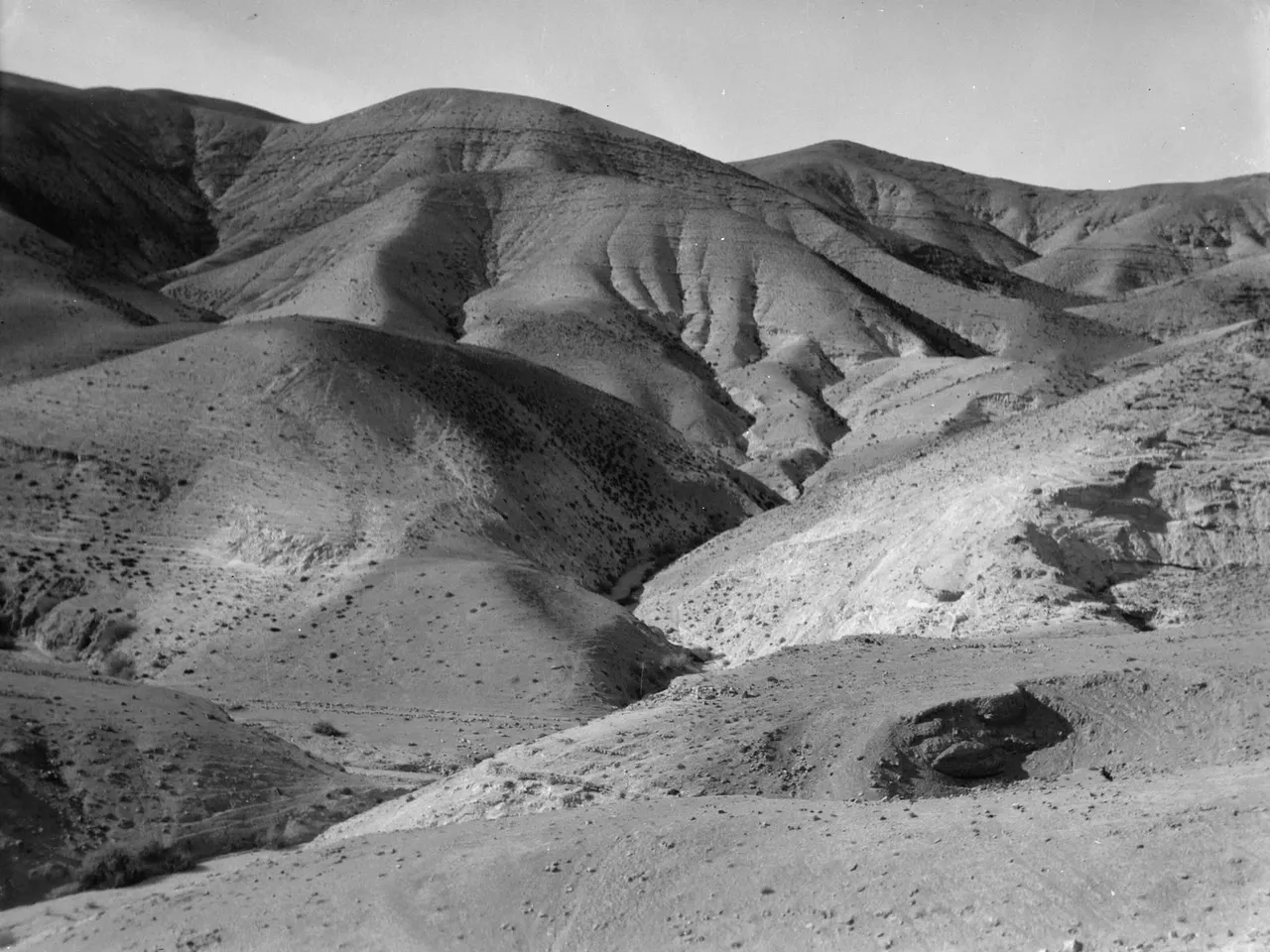
The same verse goes on: "my moisture is turned into the drought of summer" (Psalm 32:4). Day and night, the weight did not lift while he kept it hidden.
The verse where his prayer turns (Psalm 32:5)
David didn't stay in that silence. In the very next verse he writes what he did, and what God did:
"I said, I will confess my transgressions unto the LORD; and thou forgavest the iniquity of my sin."
Psalm 32:5 (KJV)
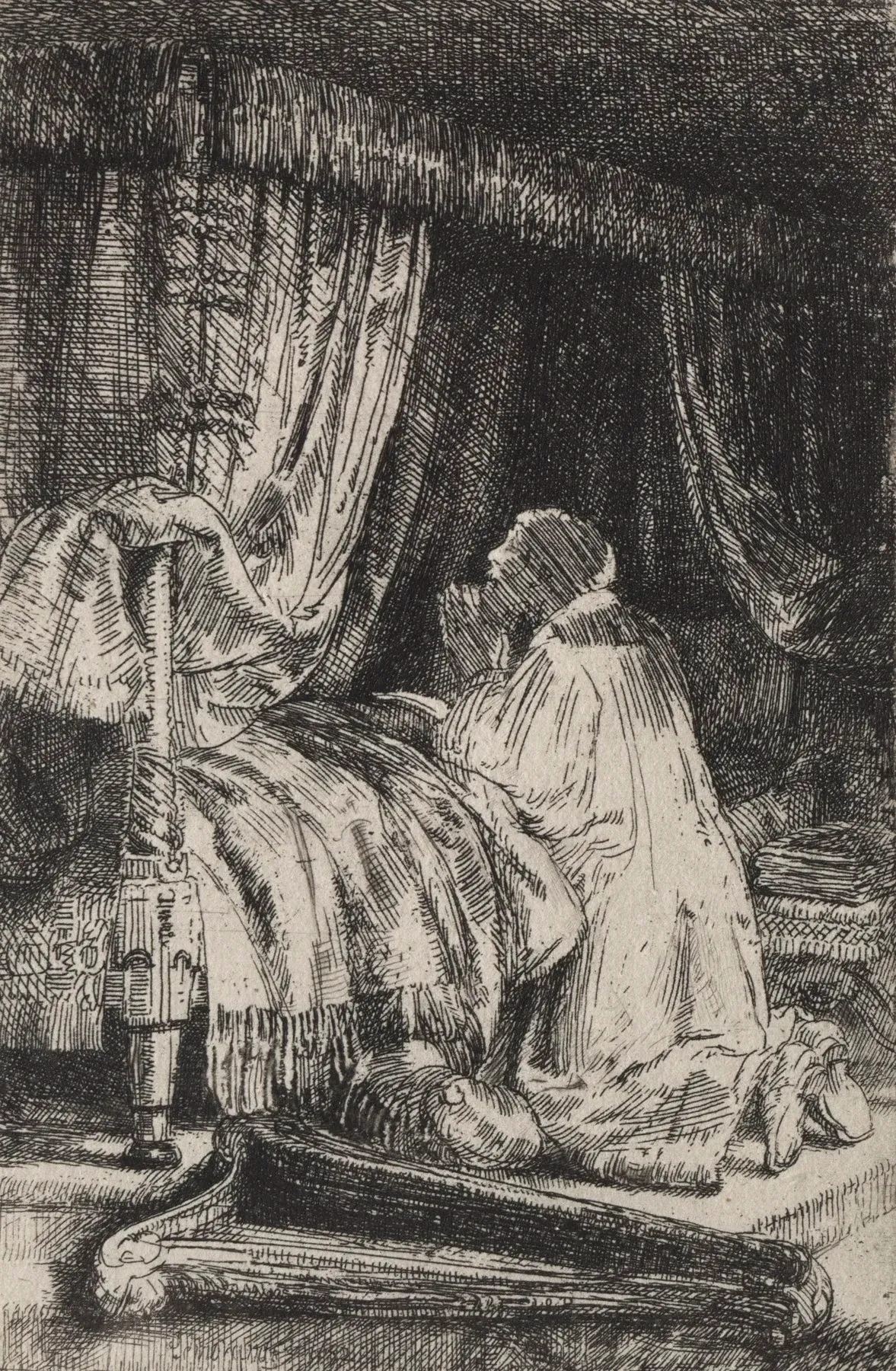
A few verses later the same psalm says: "Many sorrows shall be to the wicked: but he that trusteth in the LORD, mercy shall compass him about" (Psalm 32:10), and it ends with a call to be glad in the LORD (Psalm 32:11).
The same hope as a promise (1 John 1:9)
The New Testament puts that same hope into a promise. The first letter of John is written to believers, and in its first chapter it says plainly, "If we say that we have no sin, we deceive ourselves, and the truth is not in us" (1 John 1:8). The next verse is the promise:
"If we confess our sins, he is faithful and just to forgive us our sins, and to cleanse us from all unrighteousness."
1 John 1:9 (KJV)

The passages at a glance
- Psalm 32:3-4: David, about the time he kept silent about his sin.
- Psalm 32:5: David, when he confessed his transgressions unto the LORD.
- 1 John 1:9: the first letter of John, to believers.
So tonight, you don't have to keep silence. Bring it to the LORD, the way David finally did.
Which verse do you need today? Tell us in the comments, and share this article with someone who can't let go of an old mistake.
For more of what the Bible says about your life, watch and subscribe to Koinonet on YouTube.
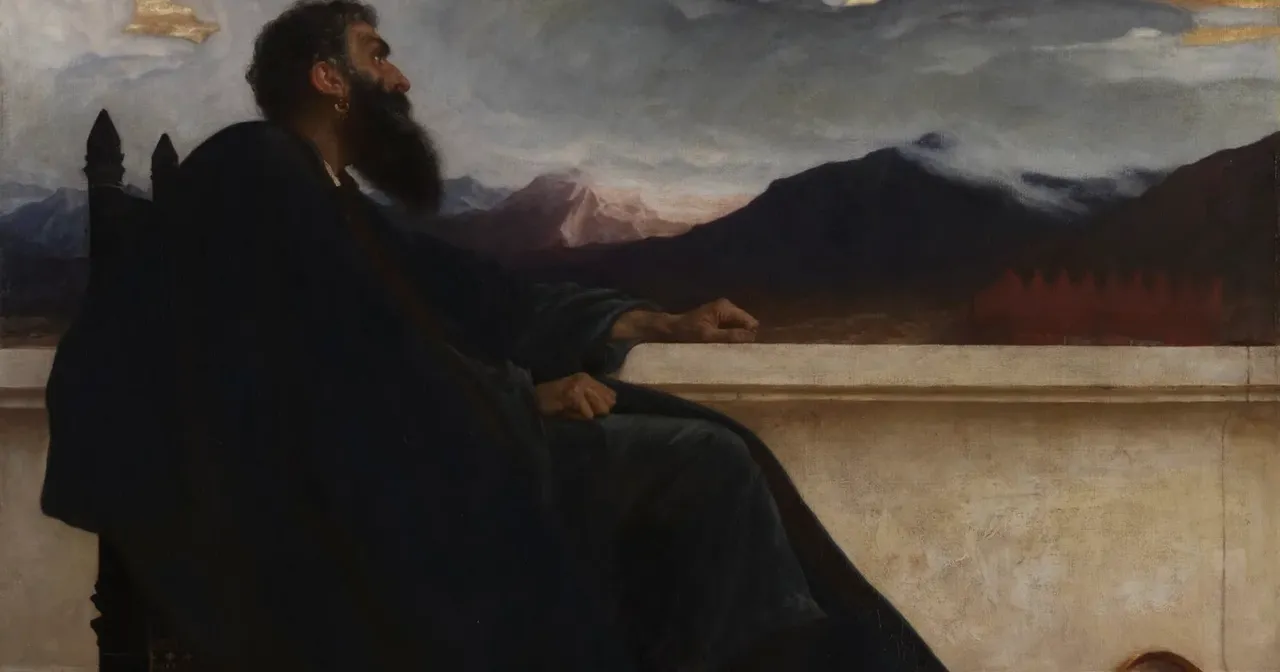
Cover photo: David, Frederic Leighton, 1865, The Cleveland Museum of Art (CC0).
Related articles
-
Devotionals
Afraid of What's Coming? What the Bible Says About Fear
King Jehoshaphat feared and prayed: neither know we what to do. What 2 Chronicles 20 and Psalm 27:1 say about fear of the future, in the KJV.
-
Devotionals
Fighting the Same Temptation Again? What the Bible Says
Paul wrote: the evil which I would not, that I do. What Romans 7, Hebrews 4:15 and 1 Corinthians 10:13 say about temptation, in the KJV.
-
Devotionals
Doing the Work of Three People? What the Bible Says
Moses judged the people from morning until evening, until Jethro said: this thing is too heavy for thee. Exodus 18 and Psalm 127 in the KJV.