Sick and Scared? What the Bible Says About Sickness
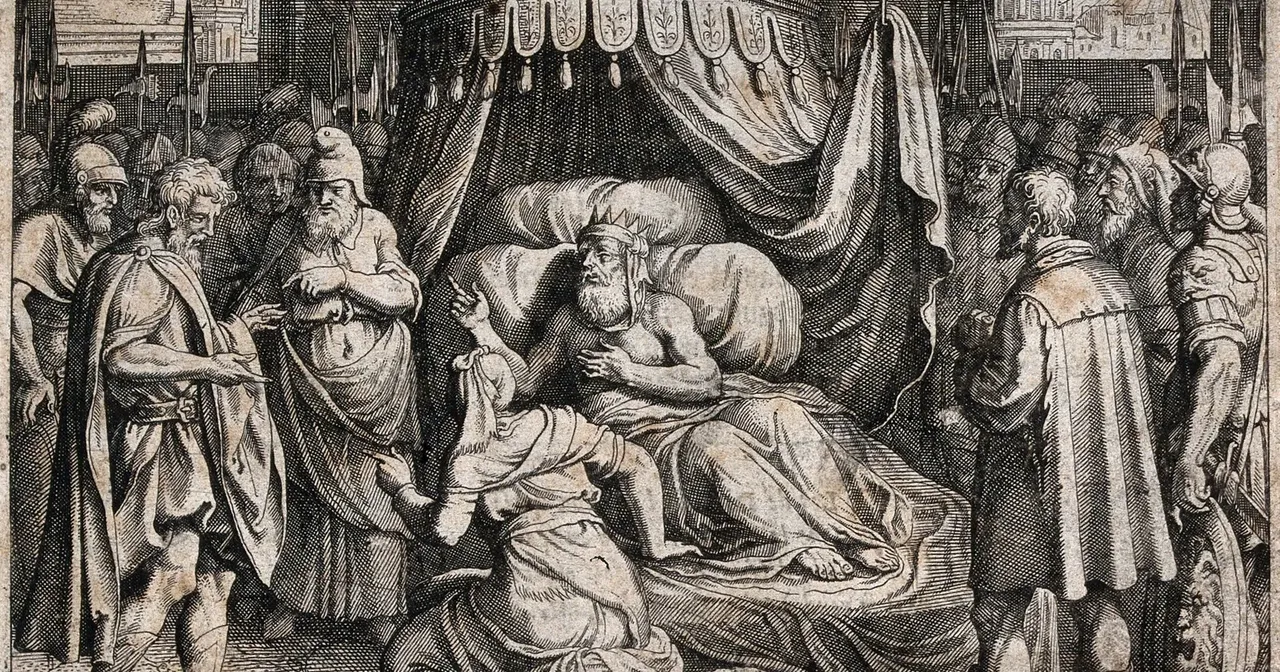
King Hezekiah was sick unto death and prayed with his face to the wall. His words and God's answer in Isaiah 38, and 2 Corinthians 4:16 (KJV).
When you are sick, the hardest part is often the waiting: the same prayer every night, the same fear every morning, and a body that does not feel like your own. The Bible does not hide that kind of night. It keeps the prayer of a king who was sick unto death, and the words God sent back to him.
This article goes with our short video on the same verses. Every quotation is from the King James Version (KJV).
Watch the short video: Sick and scared? What the Bible says about sickness
A king on his sickbed (Isaiah 38:1-3)
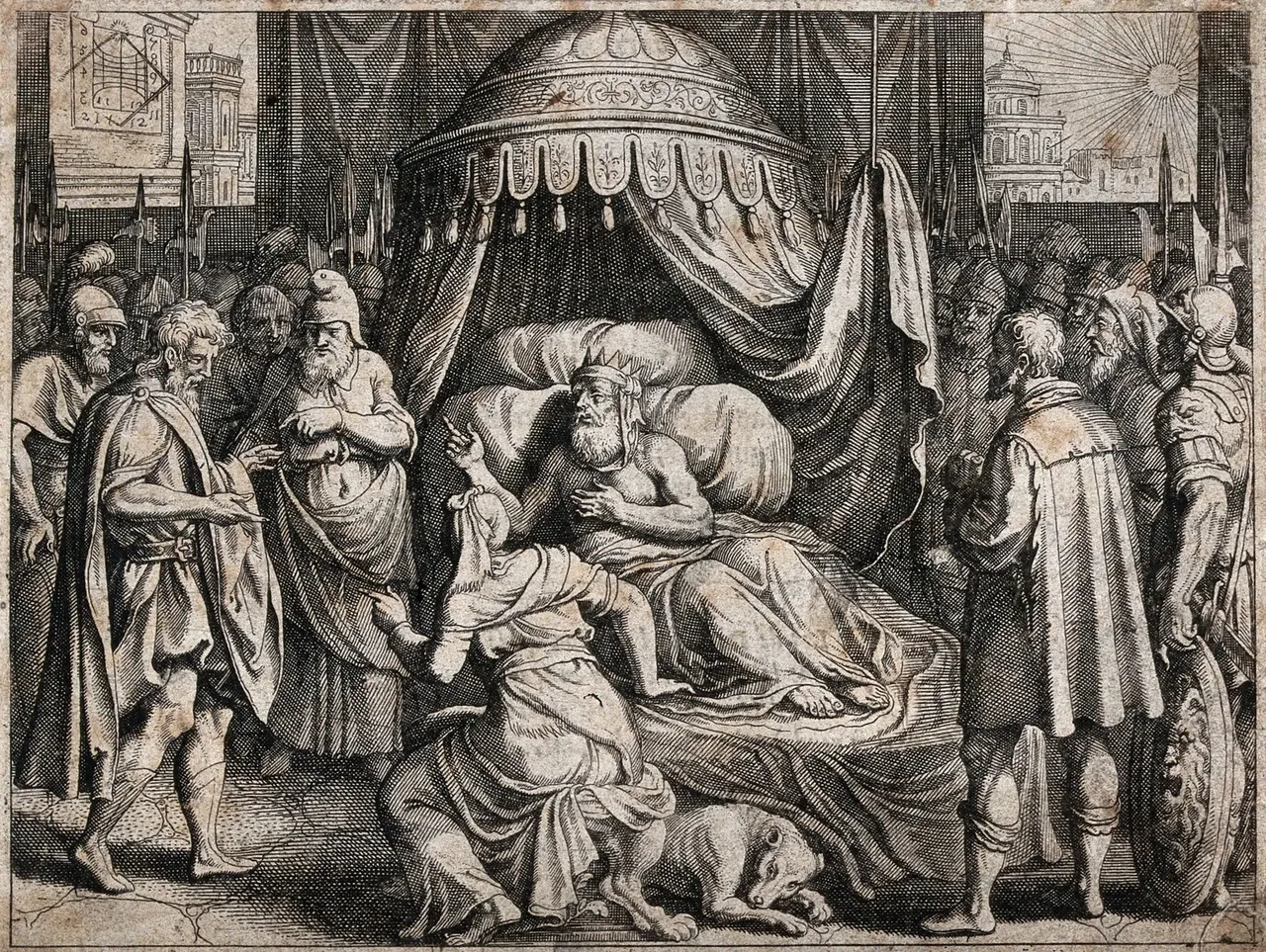
Hezekiah was king of Judah. The Bible says: "In those days was Hezekiah sick unto death. And Isaiah the prophet the son of Amoz came unto him, and said unto him, Thus saith the LORD, Set thine house in order: for thou shalt die, and not live" (Isaiah 38:1).
Hezekiah brought it straight to God. "Then Hezekiah turned his face toward the wall, and prayed unto the LORD" (Isaiah 38:2), "And Hezekiah wept sore" (Isaiah 38:3).
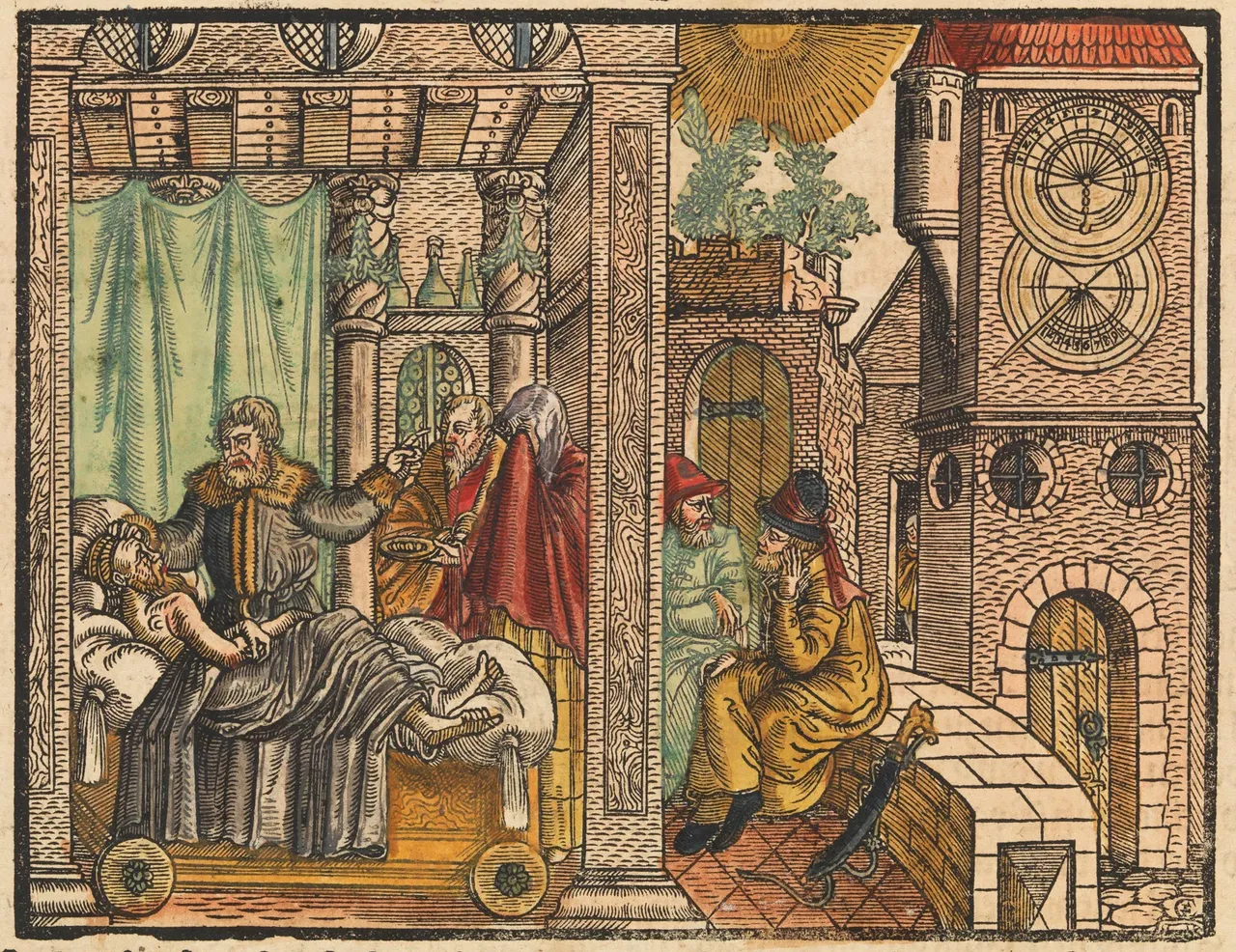
In his own words (Isaiah 38:14)
Later in the same chapter we read "The writing of Hezekiah king of Judah, when he had been sick, and was recovered of his sickness" (Isaiah 38:9). In it he describes those days and nights: "I reckoned till morning" and "from day even to night wilt thou make an end of me" (Isaiah 38:13). Then he writes:
"Like a crane or a swallow, so did I chatter: I did mourn as a dove: mine eyes fail with looking upward: O LORD, I am oppressed; undertake for me."
Isaiah 38:14 (KJV)
If you have ever looked up at the ceiling of a hospital room, or at the dark above your own bed, with nothing left to say but "undertake for me", a king said it before you.
"I have heard thy prayer, I have seen thy tears" (Isaiah 38:5)
God did not ignore him. The word of the LORD came to Isaiah, and he was sent back to the king with this message:
"Thus saith the LORD, the God of David thy father, I have heard thy prayer, I have seen thy tears"
Isaiah 38:5 (KJV)
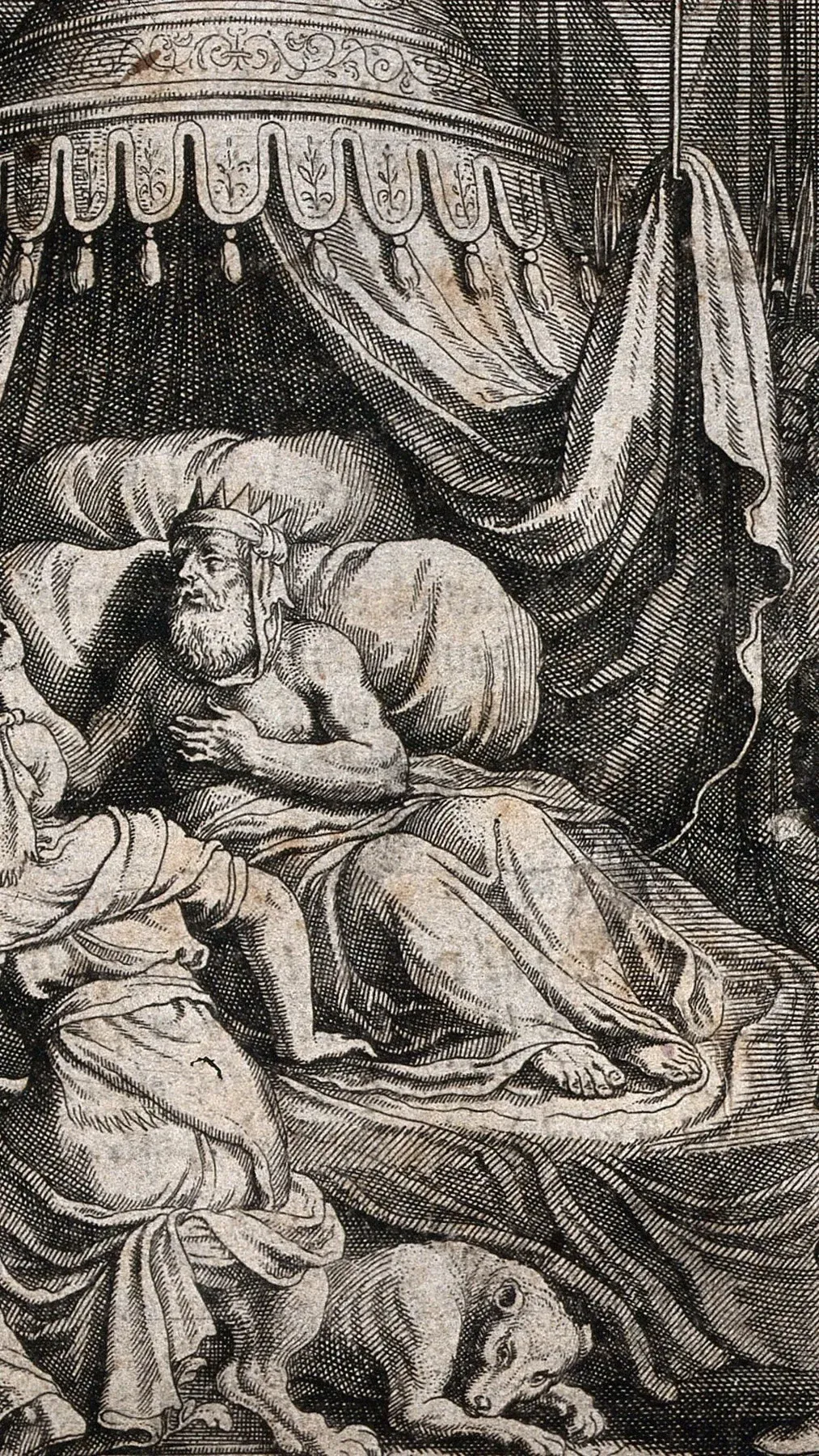
The same chapter also records that Isaiah had said, "Let them take a lump of figs, and lay it for a plaister upon the boil" (Isaiah 38:21). The prayer and the remedy are in the same story.
For the days your body still hurts (2 Corinthians 4:16)
The apostle Paul wrote to the church at Corinth about a life full of hardship: "We are troubled on every side, yet not distressed; we are perplexed, but not in despair" (2 Corinthians 4:8). A few verses later he wrote:
"For which cause we faint not; but though our outward man perish, yet the inward man is renewed day by day."
2 Corinthians 4:16 (KJV)
The passages at a glance
- Isaiah 38:1-3: Hezekiah, sick unto death, turns his face to the wall and prays.
- Isaiah 38:14: Hezekiah, in his writing after he had been sick.
- Isaiah 38:5: the word of the LORD to Hezekiah, through Isaiah.
- 2 Corinthians 4:16: Paul, writing to the Corinthians.
Which of these verses do you need tonight? Tell us in the comments, and share this article with someone who is fighting an illness right now.
For more of what the Bible says about your life, watch and subscribe to Koinonet on YouTube.
Cover photo: Hezekiah lies ailing in bed, engraving, Wellcome Collection (public domain).
Related articles
-
Devotionals
Afraid of What's Coming? What the Bible Says About Fear
King Jehoshaphat feared and prayed: neither know we what to do. What 2 Chronicles 20 and Psalm 27:1 say about fear of the future, in the KJV.
-
Devotionals
Fighting the Same Temptation Again? What the Bible Says
Paul wrote: the evil which I would not, that I do. What Romans 7, Hebrews 4:15 and 1 Corinthians 10:13 say about temptation, in the KJV.
-
Devotionals
Doing the Work of Three People? What the Bible Says
Moses judged the people from morning until evening, until Jethro said: this thing is too heavy for thee. Exodus 18 and Psalm 127 in the KJV.