The 6 Biggest Battles in the Bible (by the KJV's Own Numbers)
The six battles in the Bible with the largest armies, from Aphek to Zerah's thousand thousand, with what archaeology found.
Which battle in the Bible had the biggest army? Most people think of Pharaoh's chariots at the Red Sea, or of the Philistines facing David. But the King James Bible gives much larger numbers than those, and some of them come from battles many readers have never heard of: armies of hundreds of thousands, and one that the text counts as "a thousand thousand." These are the six biggest battles in the Bible, ranked by the largest army the King James Bible gives for each one, with what is known about some of them outside the Bible.
Watch the video: The 6 Biggest Battles in the Bible (by the KJV's Own Numbers)
How the numbers work
For each battle we take the largest army the text gives. Where the Bible doesn't count an army, it often gives the number of men who fell, and that number is the smallest the army could have been. It's worth knowing that scholars debate how to read some of the Bible's very large numbers. Some, like George Mendenhall in 1958 and Colin Humphreys in 1998, suggested that the Hebrew word usually translated "thousand," eleph, can also mean a clan or a military unit, which would make some numbers much smaller. Others reject that reading. Those proposals were made mainly for the census lists of Numbers, and here we simply follow the numbers as the King James Bible gives them.
#6 Aphek: at least 127,000
Ben-hadad, the king of Syria, came against Ahab, the king of Israel, "and there were thirty and two kings with him" (1 Kings 20:1). He lost. So his servants told him that the God of Israel was a god of the hills: "let us fight against them in the plain, and surely we shall be stronger than they" (1 Kings 20:23). A year later the two armies met at Aphek, and the text describes the two camps:
"And the children of Israel pitched before them like two little flocks of kids; but the Syrians filled the country."
1 Kings 20:27 (KJV)
Then a man of God came to Ahab with the word of the LORD:
"Because the Syrians have said, The LORD is God of the hills, but he is not God of the valleys, therefore will I deliver all this great multitude into thine hand"
1 Kings 20:28 (KJV)
The Bible doesn't say how big the Syrian army was. It says that "an hundred thousand footmen" fell in one day, and that in the city of Aphek "a wall fell upon twenty and seven thousand of the men that were left" (1 Kings 20:29-30): at least 127,000 men.
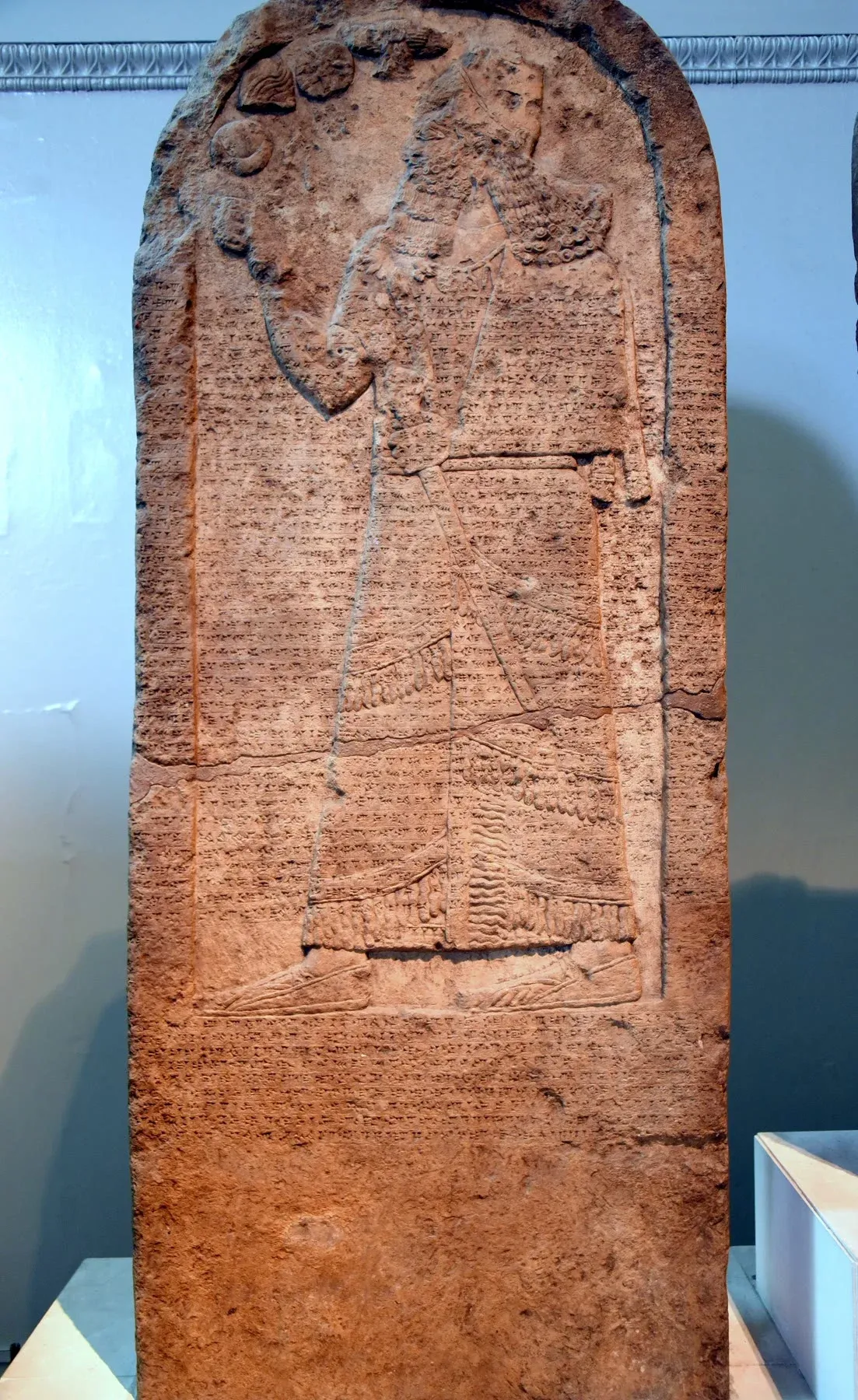
Outside the Bible, Ahab appears in stone. The Kurkh Monolith, an Assyrian monument of King Shalmaneser III now in the British Museum, describes the battle of Qarqar around 853 BC, and among the allied kings it lists "2,000 chariots (and) 10,000 troops of Ahab the Israelite."
#5 Gideon against Midian: about 135,000
For seven years, the Bible says, the Midianites came up with their cattle and their tents, "as grasshoppers for multitude," and Israel hid in "dens which are in the mountains, and caves" (Judges 6:2-5). When the angel of the LORD called Gideon "thou mighty man of valour," Gideon answered:
"Oh my Lord, wherewith shall I save Israel? behold, my family is poor in Manasseh, and I am the least in my father's house."
Judges 6:15 (KJV)
And the LORD said unto him, "Surely I will be with thee" (Judges 6:16). Gideon camped "beside the well of Harod," with the Midianites to the north, "by the hill of Moreh, in the valley" (Judges 7:1). Today a spring at the foot of Mount Gilboa, inside the Ma'ayan Harod National Park, still carries the name Harod, and across the Jezreel Valley rises the Hill of Moreh.
There the LORD told Gideon something unexpected:
"The people that are with thee are too many for me to give the Midianites into their hands, lest Israel vaunt themselves against me, saying, Mine own hand hath saved me."
Judges 7:2 (KJV)
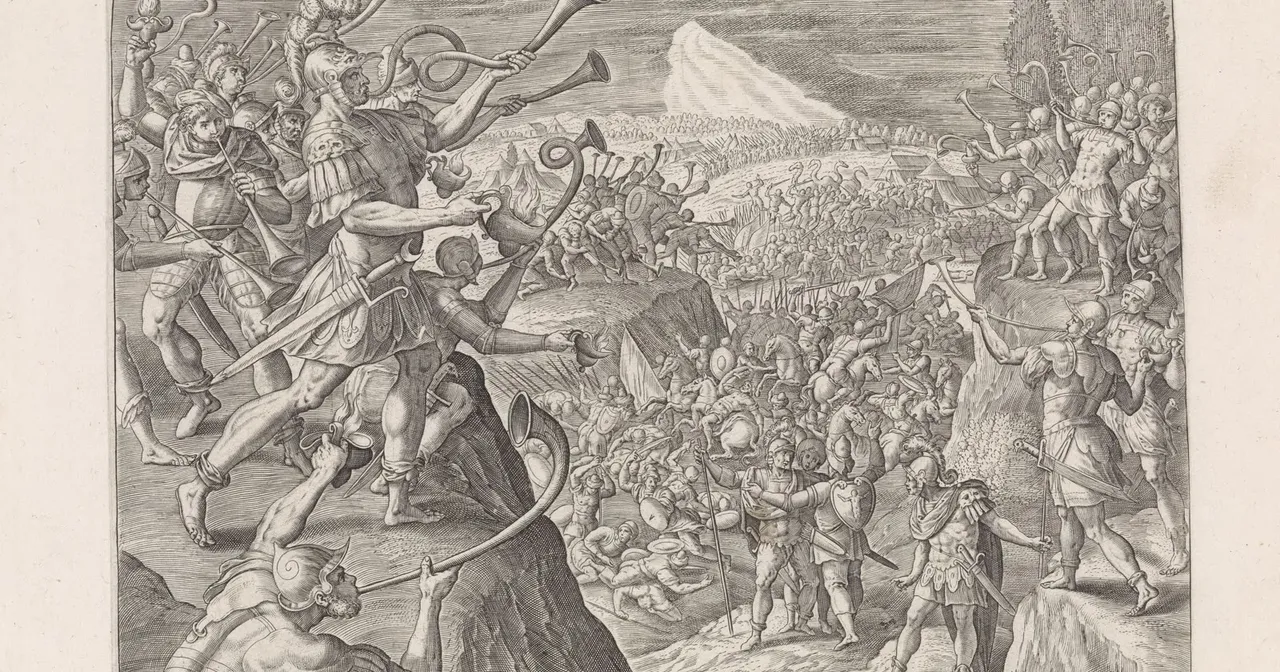
Twenty-two thousand went home, and of the ten thousand who were left, only three hundred stayed (Judges 7:3-7). At night they surrounded the camp with trumpets and with "lamps within the pitchers," broke the pitchers, and cried, "The sword of the LORD, and of Gideon" (Judges 7:16-20).
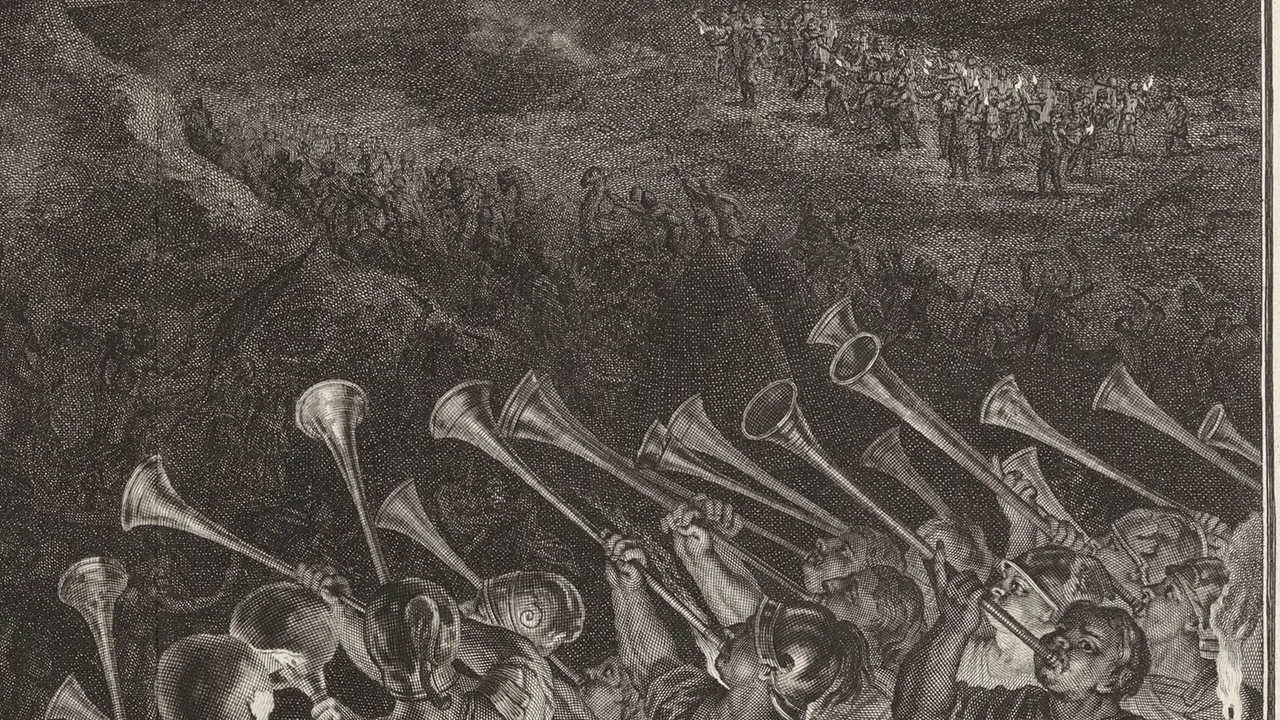
Judges 8:10 gives the count: "there fell an hundred and twenty thousand men that drew sword," and about fifteen thousand were left. The army of Midian had been about 135,000 men.
#4 Sennacherib: 185,000 in one night
This is the battle that was never fought. Around 701 BC, Sennacherib, the king of Assyria, "came up against all the fenced cities of Judah, and took them" (2 Kings 18:13), and he sent word to King Hezekiah that his God would not save Jerusalem. The text tells the end in one verse:
"And it came to pass that night, that the angel of the LORD went out, and smote in the camp of the Assyrians an hundred fourscore and five thousand"
2 Kings 19:35 (KJV)
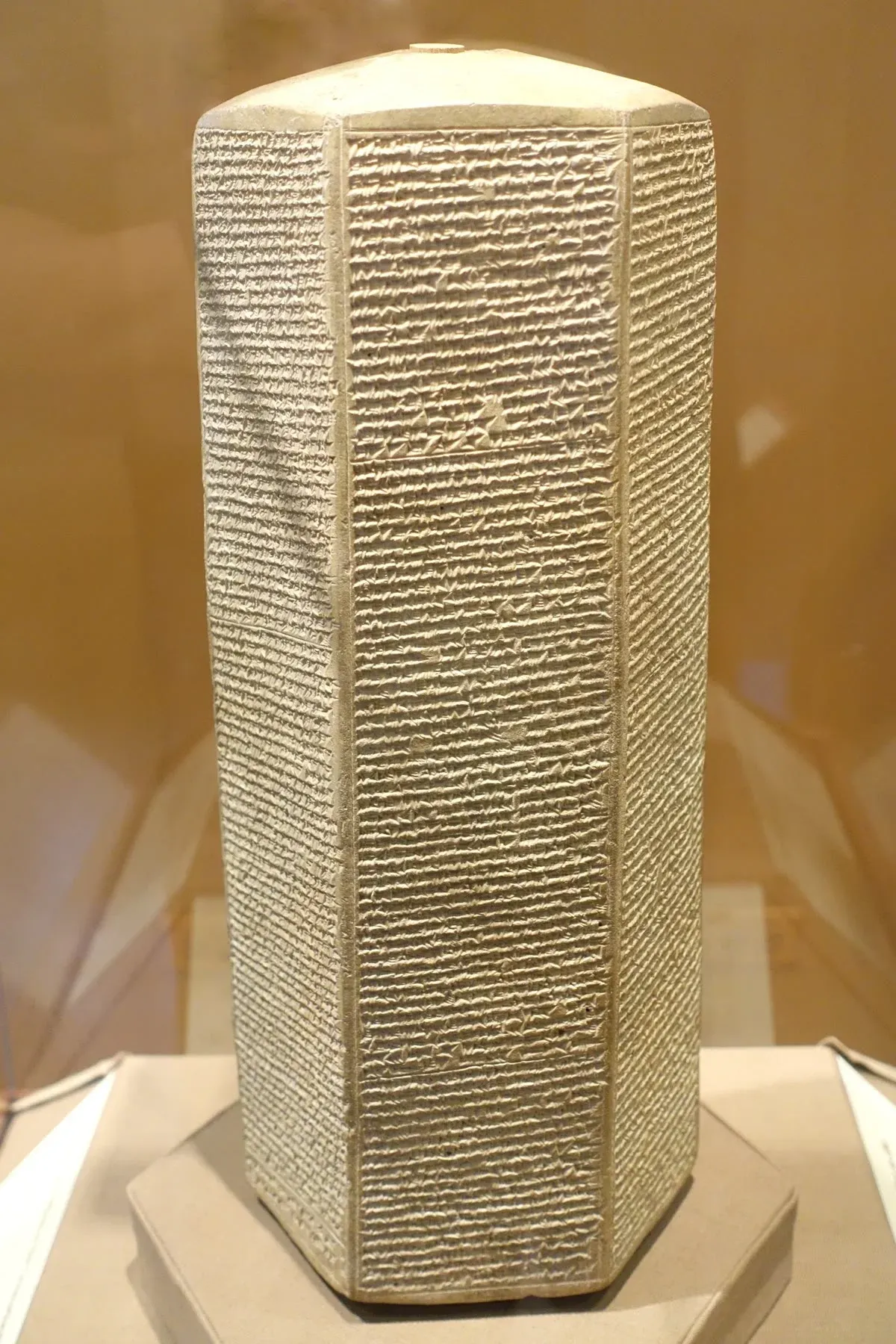
Outside the Bible, Sennacherib's own annals, written on six-sided clay prisms, say he shut King Hezekiah up in Jerusalem "like a bird in a cage." They boast of many conquered towns, but they never claim that Jerusalem fell. We tell the whole story in another article and video: Hezekiah and Sennacherib: What Archaeology Found.
#3 Jabesh-gilead: 330,000
This was Saul's first battle as king. Nahash the Ammonite had surrounded Jabesh-gilead, east of the Jordan, and his terms were cruel: "that I may thrust out all your right eyes" (1 Samuel 11:2). The town asked for seven days to look for help. The news reached Saul as he "came after the herd out of the field," the Spirit of God came upon him, and he sent pieces of a yoke of oxen throughout Israel as a warning, and the people "came out with one consent" (1 Samuel 11:5-7).
"And when he numbered them in Bezek, the children of Israel were three hundred thousand, and the men of Judah thirty thousand."
1 Samuel 11:8 (KJV)
Saul's three companies came into the camp "in the morning watch," and afterwards he said, "There shall not a man be put to death this day: for to day the LORD hath wrought salvation in Israel" (1 Samuel 11:11-13).
#2 Abijah against Jeroboam: 800,000 against 400,000
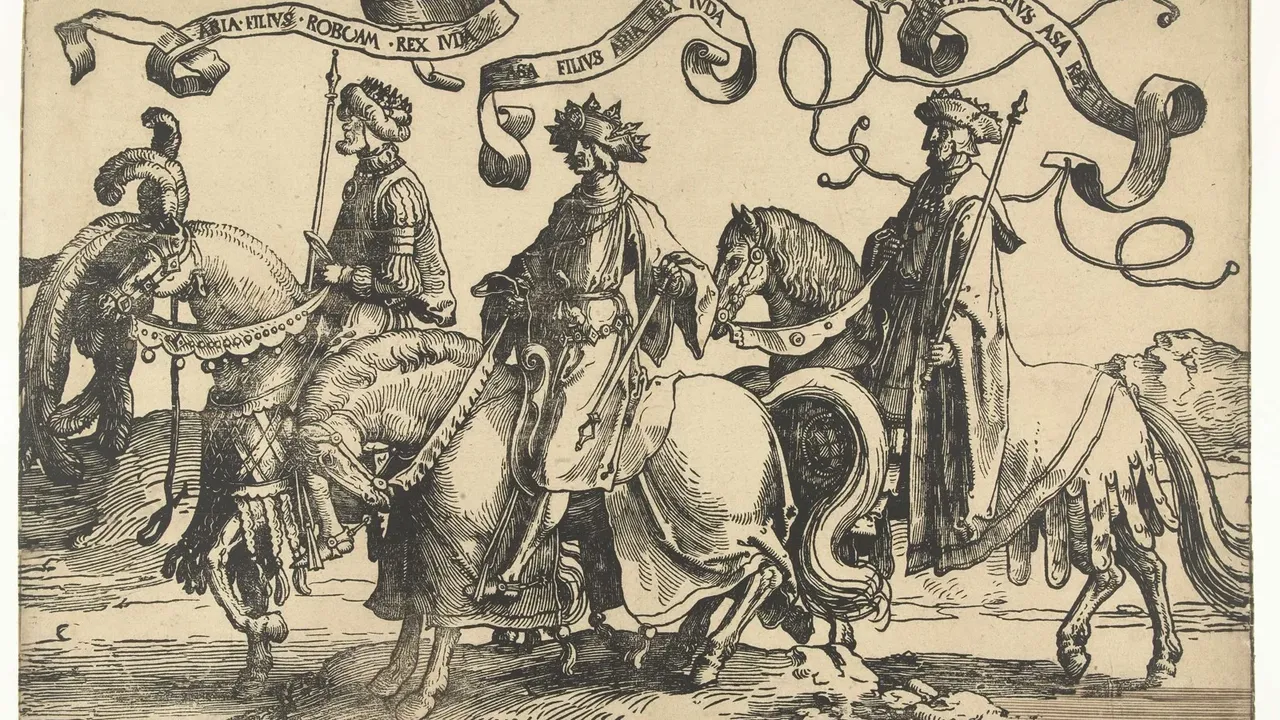
After Solomon, the kingdom split in two: Judah in the south, ruled by David's family, and Israel in the north, ruled by Jeroboam. Second Chronicles gives two armies larger than any so far:
"And Abijah set the battle in array with an army of valiant men of war, even four hundred thousand chosen men: Jeroboam also set the battle in array against him with eight hundred thousand chosen men, being mighty men of valour."
2 Chronicles 13:3 (KJV)
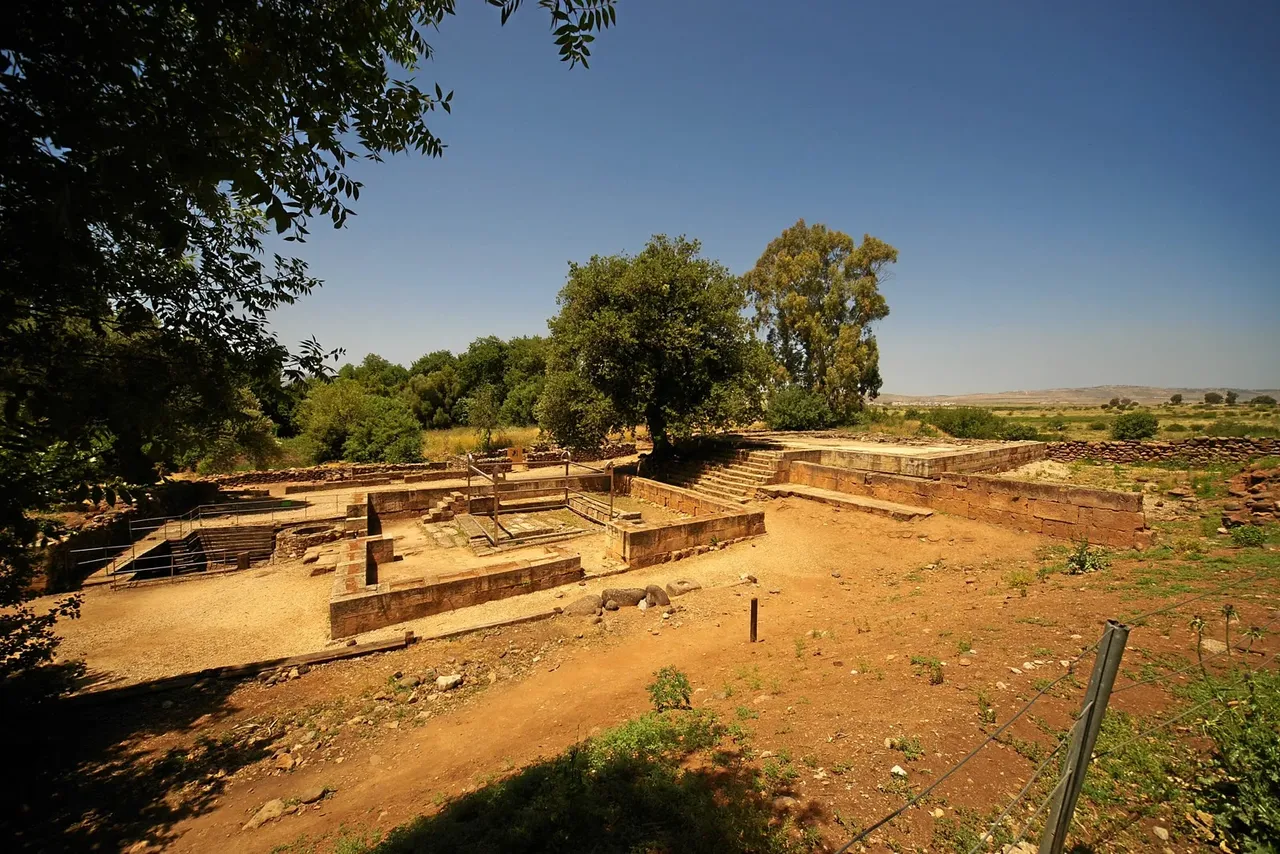
Before the battle, Abijah stood upon mount Zemaraim and spoke to the army facing him. He reminded them of "golden calves, which Jeroboam made you for gods," and warned them, "fight ye not against the LORD God of your fathers" (2 Chronicles 13:8-12). The Bible says Jeroboam set one of those calves at Dan, in the far north (1 Kings 12:29). At Tel Dan, the archaeologist Avraham Biran uncovered a large Iron Age sacred platform with altars. Many link it to the shrine of Jeroboam, though scholars still debate how old its first phase is.
But Jeroboam had sent an ambush behind them:
"And when Judah looked back, behold, the battle was before and behind: and they cried unto the LORD, and the priests sounded with the trumpets."
2 Chronicles 13:14 (KJV)
Judah gave a shout, and God smote Jeroboam and all Israel before Abijah (2 Chronicles 13:15). The text gives the reason:
"Thus the children of Israel were brought under at that time, and the children of Judah prevailed, because they relied upon the LORD God of their fathers."
2 Chronicles 13:18 (KJV)
#1 Asa against Zerah: a thousand thousand
Abijah's son Asa reigned after him, and "the land was quiet ten years" (2 Chronicles 14:1). He took away the altars of the strange gods, built fenced cities with "walls, and towers, gates, and bars," and had an army of 580,000 men from Judah and Benjamin (2 Chronicles 14:3-8). Then came Zerah:
"And there came out against them Zerah the Ethiopian with an host of a thousand thousand, and three hundred chariots; and came unto Mareshah."
2 Chronicles 14:9 (KJV)
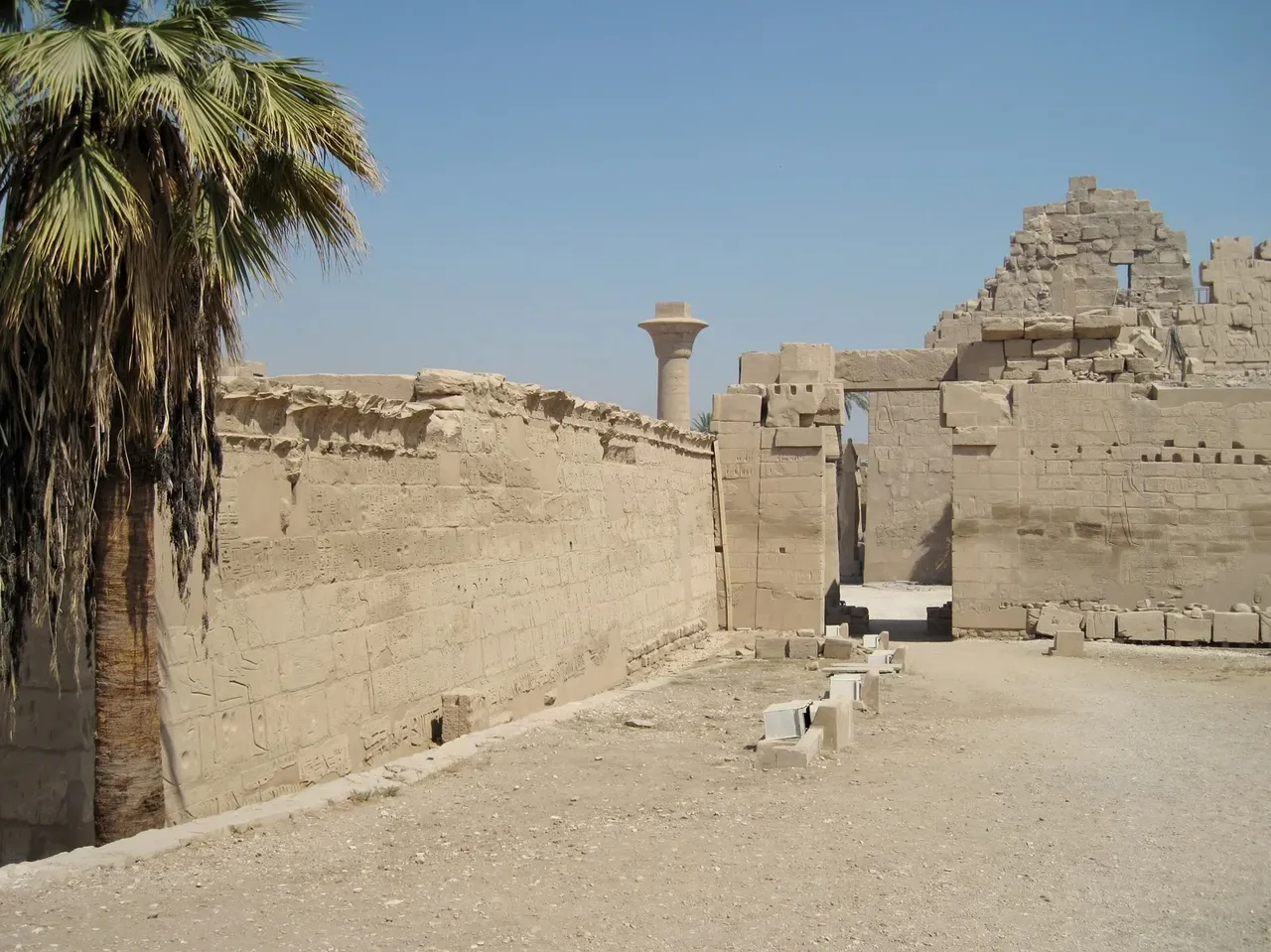
A thousand thousand is a million, the largest army the Bible gives for any battle, and the text tells us nothing more about Zerah. A generation earlier, the Bible says, "Shishak king of Egypt came up against Jerusalem" (1 Kings 14:25). Outside the Bible, Pharaoh Shoshenq I carved a record of his campaign into Canaan on the Bubastite Portal of the temple of Amun at Karnak, around 925 BC, with a long list of the places he claimed.
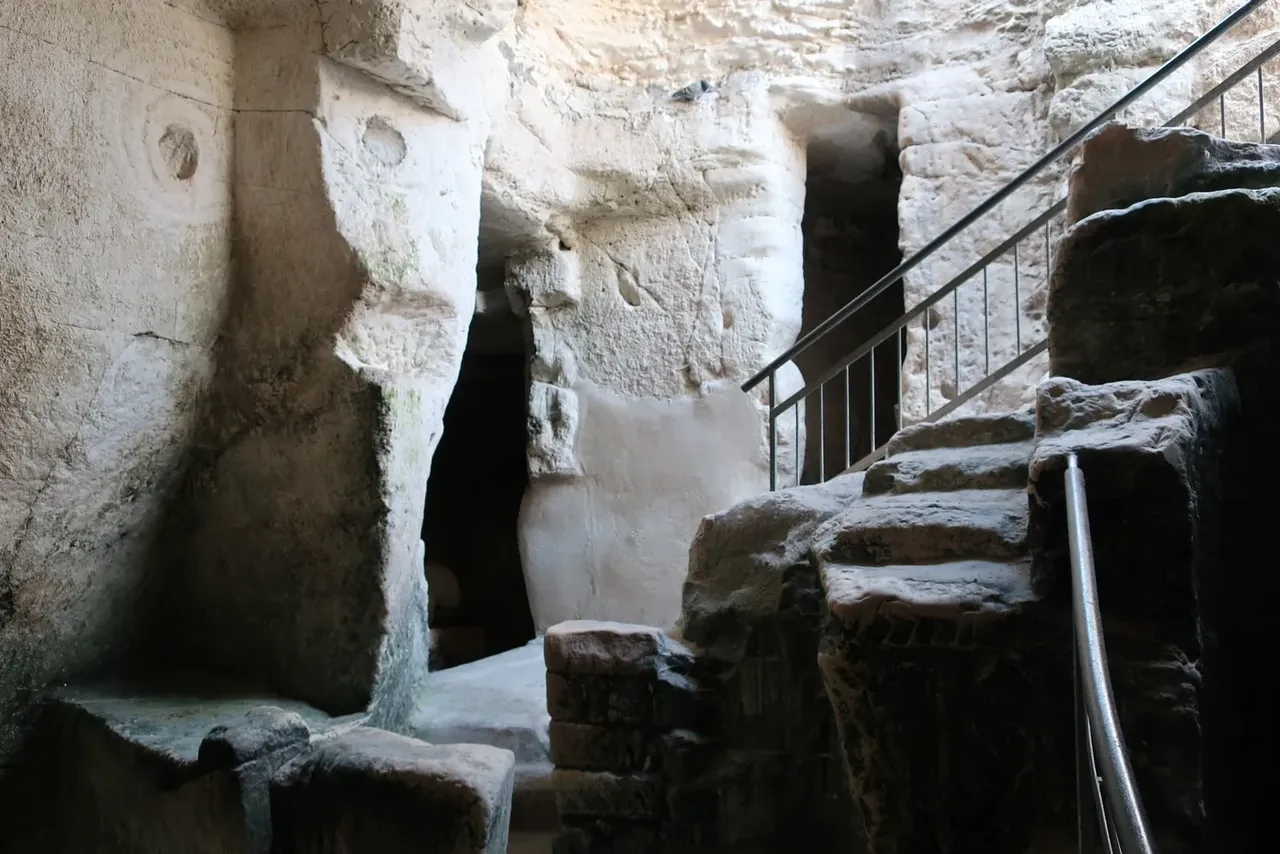
Mareshah was already a town of Judah in the Iron Age, and its mound, Tel Maresha, has been excavated. Today its thousands of carved caves are part of a UNESCO World Heritage Site, though most of what was found in them comes from centuries after Asa, in the Hellenistic period.
In the valley of Zephathah, Asa prayed:
"LORD, it is nothing with thee to help, whether with many, or with them that have no power: help us, O LORD our God; for we rest on thee, and in thy name we go against this multitude."
2 Chronicles 14:11 (KJV)
The text says the LORD smote the Ethiopians before Asa, and they fled, and Judah pursued them unto Gerar (2 Chronicles 14:12-13).
What the Bible teaches
Look at the numbers again. Again and again, the smaller side won: two little flocks of kids, three hundred men with lamps, a city with no army left to send, half an army facing a mountain. Years later, the seer Hanani reminded Asa of the day of Zerah:
"Were not the Ethiopians and the Lubims a huge host, with very many chariots and horsemen? yet, because thou didst rely on the LORD, he delivered them into thine hand."
2 Chronicles 16:8 (KJV)
And a psalm of David says it as a choice:
"Some trust in chariots, and some in horses: but we will remember the name of the LORD our God."
Psalm 20:7 (KJV)
Whatever you are facing today, you can pray the way Asa did, in your own words: "help us, O LORD our God; for we rest on thee."
At a glance
- 1 Kings 20:27-30: the narrator and a man of God, the battle of Aphek (#6).
- Judges 6:15, 7:2 and 8:10: Gideon, the LORD to Gideon, and the count of Midian (#5).
- 2 Kings 19:35: the end of Sennacherib's siege (#4).
- 1 Samuel 11:8: Saul gathers Israel at Bezek (#3).
- 2 Chronicles 13:3, 13:14 and 13:18: Abijah and Jeroboam (#2).
- 2 Chronicles 14:9 and 14:11: Zerah's army and Asa's prayer (#1).
- 2 Chronicles 16:8: Hanani the seer, to King Asa.
- Psalm 20:7: a psalm of David.
Which of these six battles had you never heard of? Tell us in the comments on the video, on Koinonet on YouTube.
Sources
- Oracc, University of Pennsylvania: the Kurkh Monolith of Shalmaneser III
- Center for Online Judaic Studies: the Kurkh stele, 853 BCE
- Oracc, University of Pennsylvania: the annals of Sennacherib
- Britannica: Sennacherib
- Israel Nature and Parks Authority: Ma'ayan Harod National Park
- Britannica: Plain of Esdraelon (Jezreel Valley)
- Nelson Glueck School of Biblical Archaeology: Tel Dan excavations
- Andrew R. Davis, Tel Dan in Its Northern Cultic Context (SBL Press, 2013)
- Colin Humphreys, Vetus Testamentum 48 (1998)
- M. McEntire, a response to Humphreys, Vetus Testamentum (1999)
- UNESCO: Caves of Maresha and Bet-Guvrin
- Britannica: Sheshonk I
- University of Chicago, ISAC: Reliefs and Inscriptions at Karnak III, The Bubastite Portal
Cover photo: Gideon's army with trumpets, engraving, Rijksmuseum (CC0).
Related articles
-
Devotionals
Afraid of What's Coming? What the Bible Says About Fear
King Jehoshaphat feared and prayed: neither know we what to do. What 2 Chronicles 20 and Psalm 27:1 say about fear of the future, in the KJV.
-
Devotionals
Fighting the Same Temptation Again? What the Bible Says
Paul wrote: the evil which I would not, that I do. What Romans 7, Hebrews 4:15 and 1 Corinthians 10:13 say about temptation, in the KJV.
-
Devotionals
Doing the Work of Three People? What the Bible Says
Moses judged the people from morning until evening, until Jethro said: this thing is too heavy for thee. Exodus 18 and Psalm 127 in the KJV.